


6 Reasons to Switch to Geothermal Heating and Cooling
According to the U.S. Department of Energy, about 1.3 million homes and 27,300 commercial buildings use geothermal heat pumps (GHPs), demonstrating that the technology can operate effectively across U.S. regions and climates. Geothermal heating and cooling systems offer several potential advantages, including energy efficiency, renewable energy use, lower environmental impact, and long-term operating savings.
Lower Environmental Impact
Geothermal heating and cooling systems can significantly reduce greenhouse gas emissions compared with conventional systems that rely directly on fossil fuels. By transferring heat from the earth rather than burning fuel, these systems can lower a household's overall carbon footprint.
Geothermal energy also uses the earth's naturally occurring heat, making it a renewable resource. Unlike coal, oil, and natural gas, geothermal energy does not depend on finite fuel supplies. Using geothermal systems can reduce dependence on non-renewable resources while supporting broader efforts to transition toward cleaner energy.
Geothermal systems generally have a smaller surface impact than many traditional energy extraction methods. Unlike coal mining or oil drilling, geothermal heating and cooling do not require extensive ongoing fuel extraction. Closed-loop systems can also use relatively little water because a solution circulates through underground piping to transfer heat.
Because geothermal systems do not rely on combustion inside the home, they avoid pollutants associated with burning fuels. This can contribute to cleaner indoor air while helping reduce certain outdoor emissions associated with conventional heating systems.
For homeowners focused on making broader energy improvements, geothermal technology can complement other sustainable upgrades. Improvements such as insulation, efficient windows, smart controls, and efficient appliances can further reduce overall household energy demand.
Potentially Lower Operating Costs
One of the primary reasons homeowners consider geothermal heating and cooling is its potential to lower heating and cooling expenses. Although installation costs can be higher than conventional HVAC equipment, the system's efficiency may provide substantial savings over its operating life.
Rather than creating heat through combustion, geothermal heat pumps transfer existing heat. This process can use less energy than many conventional heating and cooling methods. Actual savings depend on factors such as system design, building efficiency, utility rates, and usage.
Government programs may also provide tax credits, rebates, or other incentives for geothermal installations. Availability and value can vary by location and change over time, so homeowners should research current programs before beginning a project.
Because geothermal heating and cooling primarily uses electricity to move naturally occurring heat rather than directly burning fuel, homeowners may also have greater protection from fluctuations in fossil fuel prices. Electricity costs can still change, but geothermal technology can reduce direct dependence on fuels such as natural gas and heating oil.
Homeowners evaluating the financial benefits should consider both immediate and long-term expenses. Installation, maintenance, electricity consumption, available incentives, and expected system life can all affect the overall value of a geothermal system.
Reliable and Efficient Comfort
Geothermal heating and cooling takes advantage of relatively stable underground temperatures. This allows systems to provide heating and cooling without depending directly on changing outdoor temperatures, making the technology suitable for many climates and building types.
Much of a geothermal system's infrastructure is installed underground, where it is protected from weather exposure. Properly designed systems can provide dependable operation while reducing some of the wear associated with exposed outdoor HVAC equipment.
Modern geothermal systems can also work with programmable and smart thermostats. Automated controls allow homeowners to adjust temperatures based on schedules and occupancy, potentially improving both convenience and efficiency.
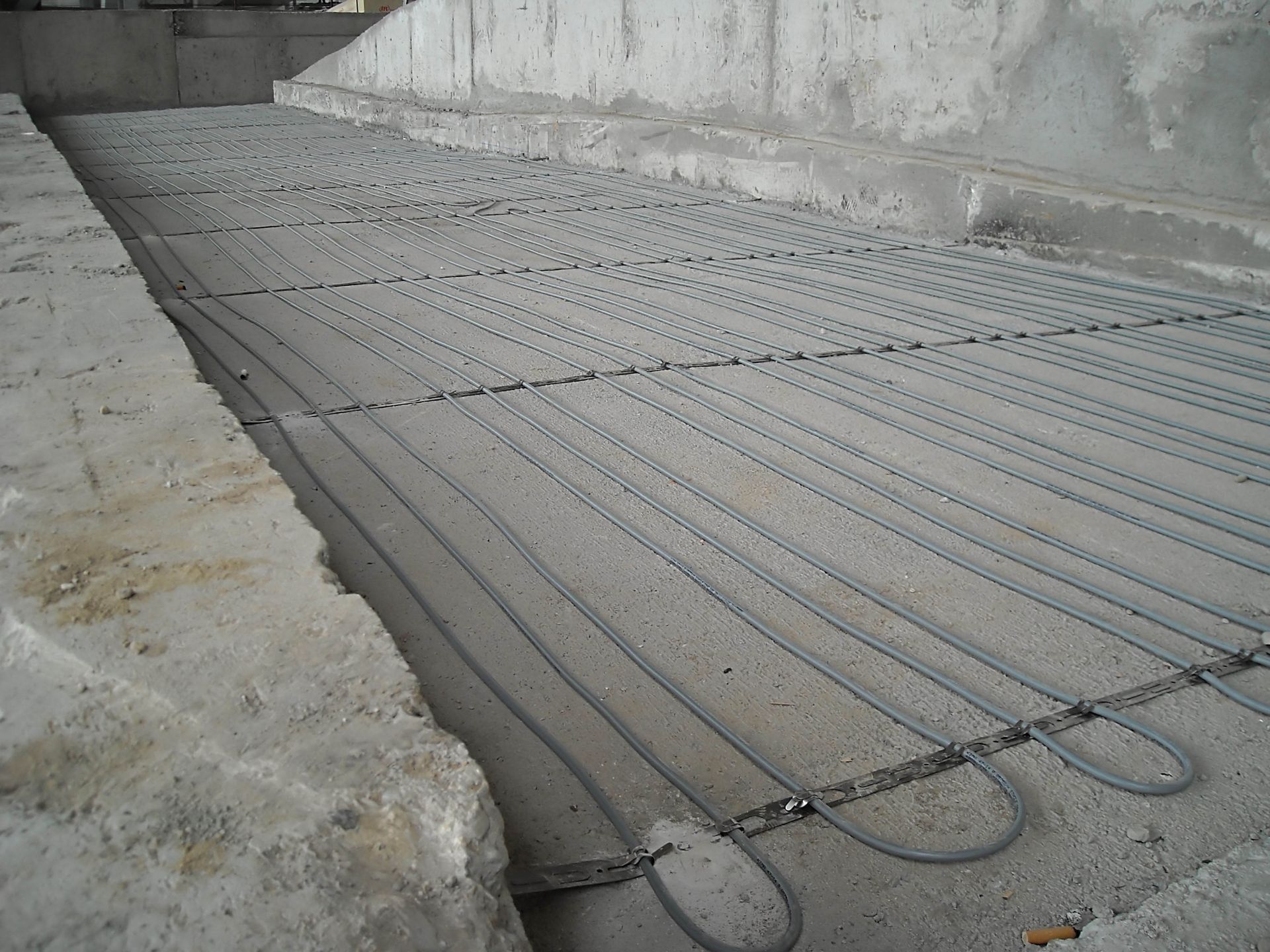
Geothermal technology can be adapted for homes, commercial buildings, and other facilities. Horizontal, vertical, and other loop configurations allow installers to account for available land, building size, soil conditions, and other property characteristics.
The system can provide both heating and cooling from one integrated technology. This eliminates the need for separate primary systems for each season and can simplify climate control for some properties.
Customized Installation and Professional Planning
Installation begins with an assessment of the property. Professionals evaluate available land, soil conditions, water considerations, and the building's heating and cooling requirements. This information helps determine which loop configuration is appropriate.
After the assessment, installers develop a system based on the property's energy needs and physical characteristics. Equipment size, loop placement, materials, access requirements, and installation logistics all factor into the design.
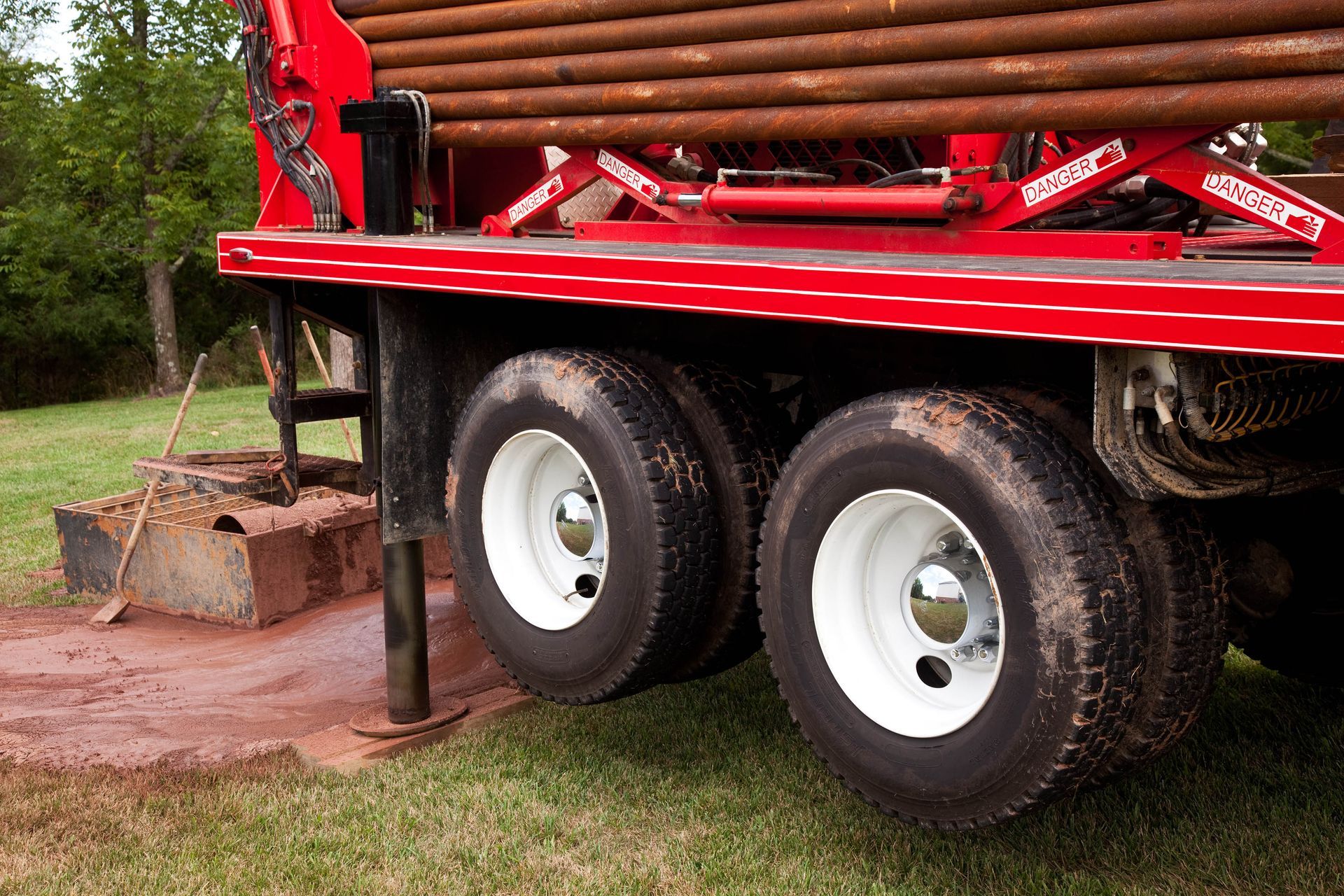
Some geothermal installations require excavation or drilling, placement of underground loops, connection to the heat pump, and system testing. Project timelines depend on property conditions and the type of system being installed.
Geothermal installations may also require local, state, or federal permits. Requirements vary by location, so qualified professionals can help ensure the project follows applicable regulations.
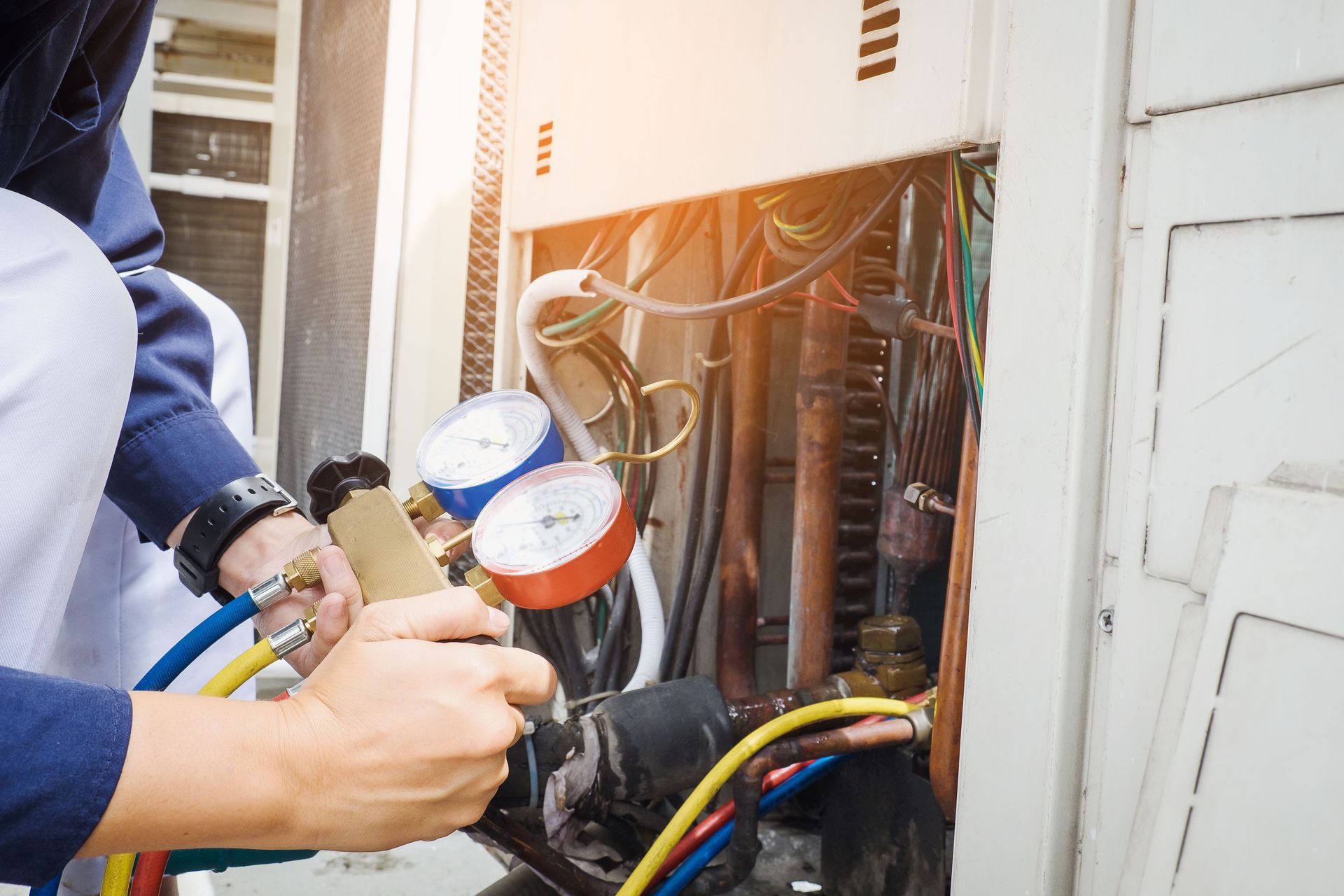
After installation, the system should be inspected, calibrated, and tested. Homeowners can receive guidance on operating and maintaining the equipment, while performance monitoring can help identify potential issues early.
Careful planning is especially important because geothermal installation involves both indoor HVAC equipment and underground infrastructure. A detailed evaluation before construction can help homeowners understand the scope of the project, expected timeline, and potential costs.
Long-Term Property Value and Flexibility
The initial investment is one of the biggest considerations when evaluating geothermal heating and cooling. Installation can cost more than conventional HVAC equipment because of the underground loop system. Homeowners should compare the initial expense with potential energy savings, available incentives, and long-term operating costs.
Energy-efficient improvements can also make a property more attractive to buyers who prioritize lower operating costs and sustainable features. A geothermal system may become an additional selling point when a home enters the real estate market.
Property size does not necessarily prevent geothermal installation. Horizontal loops may require considerable yard space, while vertical systems can provide an alternative for properties with limited land. Soil characteristics, geology, and local conditions can also influence the most practical design.
Because geothermal equipment requires specialized knowledge, homeowners should identify qualified installation and service professionals before committing to the technology. Proper expertise is important for system sizing, loop design, installation, testing, maintenance, and troubleshooting.
The technology can also be considered during new construction or major remodeling projects. Planning for geothermal early may make it easier to coordinate excavation, utility work, landscaping, and HVAC installation.
Sustainable Long-Term Energy
Advances in drilling, heat exchange, materials, and system design could make geothermal technology more efficient and accessible. Improvements that reduce installation costs may encourage broader adoption among homeowners and businesses.
As interest in lower-carbon energy solutions grows, geothermal technology may become an increasingly common option for residential and commercial buildings. Government incentives, renewable energy programs, and research funding may also influence adoption.
Geothermal heating and cooling can support efforts to reduce fossil fuel consumption and greenhouse gas emissions. When combined with other energy-efficiency improvements, geothermal systems can provide a renewable approach to climate control.
For homeowners, choosing geothermal is a decision that should be based on the property's conditions, budget, energy requirements, and long-term plans. A professional assessment can help determine whether the available space, soil conditions, existing HVAC system, and expected energy use make geothermal a practical option.
While geothermal heating and cooling requires careful planning and can involve a larger upfront investment, it offers a combination of energy efficiency, renewable energy use, potentially lower operating costs, and reliable performance. Evaluating property conditions, available incentives, installation requirements, and expected energy use can help determine whether the technology is appropriate for a specific building.
If you're considering a more efficient way to heat and cool your home, Golden Days Heating & Cooling can help you explore whether geothermal heating and cooling is a suitable option for your property. From evaluating your home's needs to discussing installation considerations, working with an experienced HVAC professional can make the process easier. Contact Golden Days Heating & Cooling today to learn more about geothermal solutions and take the next step toward a more efficient home comfort system.
Share On: