

Tips from Pro Installers on Furnace Maintenance for Better Efficiency
In this article, we explore expert tips on maintaining your furnace to ensure it operates at peak efficiency. Regular maintenance not only prolongs the lifespan of your furnace but also reduces energy consumption, saving you money on utility bills. Read on to discover valuable insights shared by professional installers. With the increasing costs of energy, it becomes imperative to not only consider the upfront expenses of a furnace but also its ongoing efficiency. Professional insights can save you both time and money while ensuring that indoor comfort is not compromised.
Understanding Your Furnace System
Components of a Furnace
A furnace is composed of several integral parts that work in unison to heat your home. The burners, heat exchanger, ductwork, and blower motor are some of the primary components. Each of these parts plays a specific role: from igniting fuel to distributing warm air throughout your house. It's crucial to understand these components because even a single malfunctioning part can reduce furnace efficiency significantly. Having a basic understanding of these parts enables homeowners to better communicate with service professionals.
Types of Furnaces
Furnaces can be powered by different sources: gas, electricity, or oil. Each type has its pros and cons depending on your home's configuration and energy costs. For example, gas furnaces are generally more efficient but require a gas line connection. Electric furnaces are easier to install but could be more expensive to operate, depending on electricity rates in your area. Understanding the different furnace types helps homeowners make informed choices tailored to their specific circumstances.
How Furnaces Work
The basic functioning of a furnace involves burning fuel to create heat, which is then distributed throughout your home via a system of ductwork. In gas-powered furnaces, this typically involves a sequence where the thermostat triggers the burners, which then heat the air that's blown into the ducts. The colder air is returned through a separate ductwork system to be reheated by the furnace. Understanding this cycle is vital to identify potential problems and inefficiencies early. Knowing how your furnace operates extends its efficiency and lifespan.
Importance of Efficiency Ratings
Efficiency ratings, often expressed as an Annual Fuel Utilization Efficiency (AFUE) percentage, are crucial for assessing the performance and cost-effectiveness of a furnace. A higher AFUE rating means better energy efficiency, which translates into lower energy bills. Manufacturers calculate the AFUE by comparing the energy input to the heat output of a furnace. Understanding these ratings helps consumers make informed purchasing decisions. It also serves as a benchmark for evaluating the need for repairs or upgrades.
Choosing the Right Furnace for Your Home
Choosing the right furnace requires a consideration of both your home's size and your climate zone. Smaller systems in larger homes would have to work harder to maintain desired temperatures, leading to increased wear and tear. Conversely, oversized systems can cycle too quickly, failing to remove enough moisture from the air. Consulting with professionals to assess your needs will guide you in selecting a furnace optimized for both performance and efficiency. This ensures not only comfort but also long-term savings.
Regular Inspection and Cleaning
Monthly Filter Checks
Regular inspection of furnace filters is a simple yet highly effective way to maintain furnace efficiency. A clogged filter forces your furnace to work harder, consuming more energy. According to Realtor.com, experts recommend changing furnace filters every one to three months for thinner filters (1-2 inches), every six to nine months for 3-4 inch filters, and every nine to 12 months for 5–6 inch filters. Frequent checks ensure that air can flow unimpeded, optimizing the heating process while minimizing wear and tear on the system. Consistently maintained filters can solve many common furnace issues, making this small task immensely worthwhile.
Inspecting Blower Motor Functionality
A well-functioning blower motor is essential for the effective circulation of warm air throughout your home. Over time, however, dust and debris can accumulate within the motor, reducing its efficiency. It’s recommended to schedule regular inspections, ideally before peak heating seasons, to ensure smooth operation. A high-pitched squeal or rumbling noise often indicates issues with the motor that require immediate attention. Taking proactive measures can prevent costly repairs and ensure that your furnace remains efficient for years to come.
Checking Thermostat Settings
A thermostat that functions properly ensures that your furnace is not overworking by operating only when needed. Double-checking settings can prevent rooms from becoming too warm or too cold, thus saving energy. Thermostats also need to be calibrated correctly and may require a battery change for optimal performance. Smart thermostats provide you with even more control by allowing remote management of your home’s climate. Choose one that best fits your lifestyle for energy savings and convenience.
Cleaning Air Vents and Ducts
Airflow is critical to furnace efficiency, which is why clean vents and ducts are essential. Accumulated dust and debris can become obstructive, impairing the system’s performance. While some cleaning steps can be done by homeowners, it’s generally advisable to hire professionals at least once a year. Technicians possess specialized tools for thorough cleaning, ensuring optimal airflow. A well-maintained duct system contributes to more balanced heating and overall furnace efficiency.
Detecting and Preventing Leaks
Leaks in the duct system can result in significant losses in heated air, forcing the furnace to work double-time. Regular inspection of your ductwork for cracks or holes can prevent these inefficiencies. Sealing leaks with mastic sealant or metal tape can be an effective remedy. Besides air leaks, combustion leaks also pose risks and inefficiencies; carbon monoxide detectors are essential safety tools in this regard. Identifying leaks early can help maintain your furnace’s superior performance and ensure household safety.
Professional Tune-Up Advice
When to Schedule a Professional Tune-Up
Scheduling a professional tune-up for your furnace should be done annually, preferably before the colder months begin. This ensures that the system is in good working order and can handle the increased demand. Delaying maintenance can result in minor issues turning into major malfunctions. A tuned-up system is not just more efficient but also more reliable, reducing the risk of unexpected breakdowns during peak heating seasons. Timely professional check-ups provide peace of mind and contribute to cost savings over time.
What to Expect During a Tune-Up
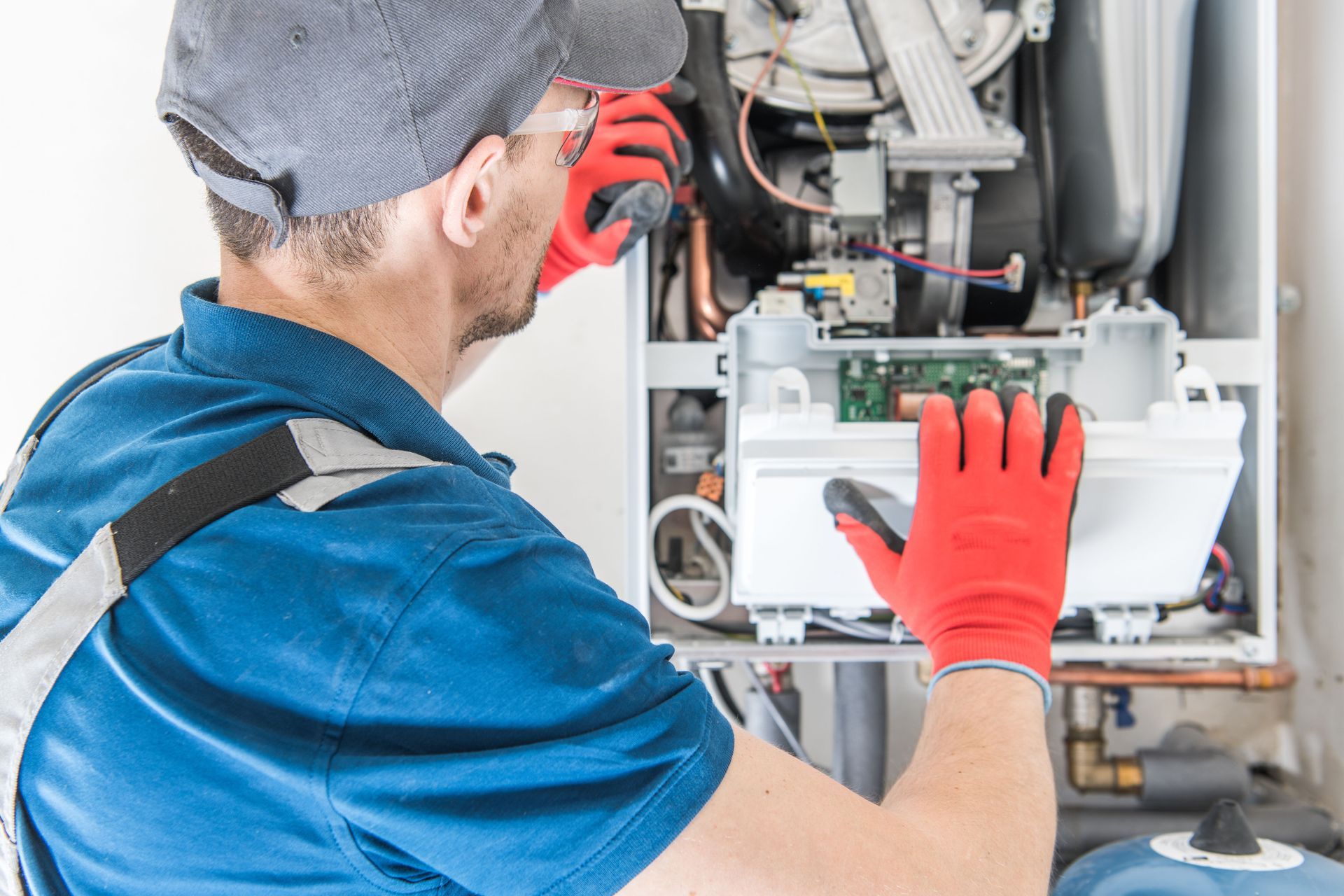
A comprehensive furnace tune-up involves a series of detailed inspections and adjustments. Professionals will typically inspect the burner, heat exchanger, and blower components for any wear and tear. They will also check the vent system, testing for blockages and leaks that can compromise effectiveness. Lubricating moving parts and checking electrical connections are additional steps aimed at ensuring long-term functionality. A well-executed tune-up prepares your furnace for seamless operation through the winter months.
Benefit of Annual Inspections
Annual inspections provide a detailed audit of your furnace's condition, uncovering problems that could go unnoticed in everyday use. They serve as early warning systems for components under stress, recommending repairs or replacements before complete failure. A well-maintained furnace operates smoothly, eliminating inefficiencies that could increase energy costs. Moreover, these inspections extend the life expectancy of your system, maximizing your investment. Engaging in regular annual inspections is an approach acknowledged by professionals for its myriad benefits.
By following these tips from professional installers, homeowners can significantly improve the efficiency of their furnace systems. Regular maintenance not only ensures that your furnace operates optimally but also extends its lifespan, making it a smart investment for the future. Remember, prioritizing efficiency not only benefits your wallet but also contributes to a more sustainable environment. Through a combination of professional help and DIY tasks, your furnace can remain reliable and efficient for years to come. This end-to-end diligence forms the foundation of comfort and financial prudence in every household. Be sure to reach out to Golden Days Heating & Cooling today to learn more about our professional furnace installers!
Share On: