


What to Expect When Working with a Professional Air Conditioner Installer
Upgrading or replacing a central cooling system represents one of the most substantial financial investments a property owner will make toward maintaining year-round climate control, indoor air quality, and overall energy efficiency. Navigating the modern heating, ventilation, and air conditioning landscape requires a clear understanding of equipment capabilities, dynamic load calculations, and technical standards that govern high-performance indoor comfort systems. When selecting an air conditioner installer, homeowners and business managers gain access to essential technical expertise that ensures every mechanical component functions at peak operational parameters from day one.
A professionally executed climate control project extends far beyond the simple physical placement of mechanical equipment on a concrete pad outside your home or office building. Proper setup enhances seasonal energy efficiency ratios, preserves healthy interior air movement, prevents costly electrical overloads, and prevents premature mechanical degradation caused by improper sizing or airflow restrictions. By familiarizing yourself with these standard phases, you can approach your upcoming mechanical upgrade with total confidence, knowing precisely what quality standards should be met at every stage of the installation journey.
Navigating the Initial Consultation and Assessment Phase
The inaugural phase of any successful cooling project begins with a comprehensive diagnostic evaluation of your property's unique physical characteristics, structural design, and thermal demands. During this crucial discovery meeting, an experienced air conditioner installer evaluates structural details such as total square footage, ceiling height, insulation quality, window orientation, solar heat gain, and existing ductwork infrastructure. Modern mechanical design relies on precise Manual J heat load calculations rather than simple rules of thumb based solely on floor area. This scientific approach prevents the installation of under-capacity systems that struggle on hot summer days or over-capacity units that cycle on and off frequently, leading to poor humidity control, uneven temperature distribution, and accelerated component wear.
Beyond physical measurements and thermodynamic calculations, this primary consultation establishes a collaborative dialogue regarding your operational expectations, budget boundaries, and long-term comfort preferences. Technicians present various equipment configurations, detailing the structural and operational differences between standard single-stage compressors, two-stage systems, and advanced variable-speed inverter technologies. As a rule of thumb, if repair costs reach 50% or more of the price of a new unit, it's advisable to replace rather than repair, according to Today's Homeowners. Anticipating and addressing these factors early guarantees a more effective and lasting installation.
Managing Pre-Installation Preparations and Requirements
Once you finalize your equipment selection and formalize project agreements, the project shifts into a detailed logistics and planning phase to prepare for physical setup. Professional mechanical contractors oversee every administrative detail, including securing necessary municipal building permits and verifying full compliance with local building codes and environmental standards. Your designated air conditioner installer coordinates equipment procurement, carefully verifying that every matching indoor coil, outdoor condenser, electrical disconnect, line set, and air filter housing arrives from the manufacturer without defect. Establishing these compliance and material frameworks in advance prevents unnecessary project halts, ensuring that physical work proceeds smoothly and safely according to the established schedule.
In addition to administrative filings and material management, technicians provide property owners with clear guidelines to prepare the physical site for efficient access on installation day. Clear path access must be established around the indoor furnace or air handler location as well as the exterior ground pad or rooftop mounting site. Dedicated service teams apply protective floor coverings, set up temporary work barriers, and organize staging areas to shield your interior finishes from dust, debris, and heavy equipment movement. Resolving potential electrical compatibility issues, upgrading circuit breakers if necessary, and arranging adequate workspace ahead of time creates a safe, organized environment that allows technicians to perform their work efficiently.
Executing System Installation and Structural Integration
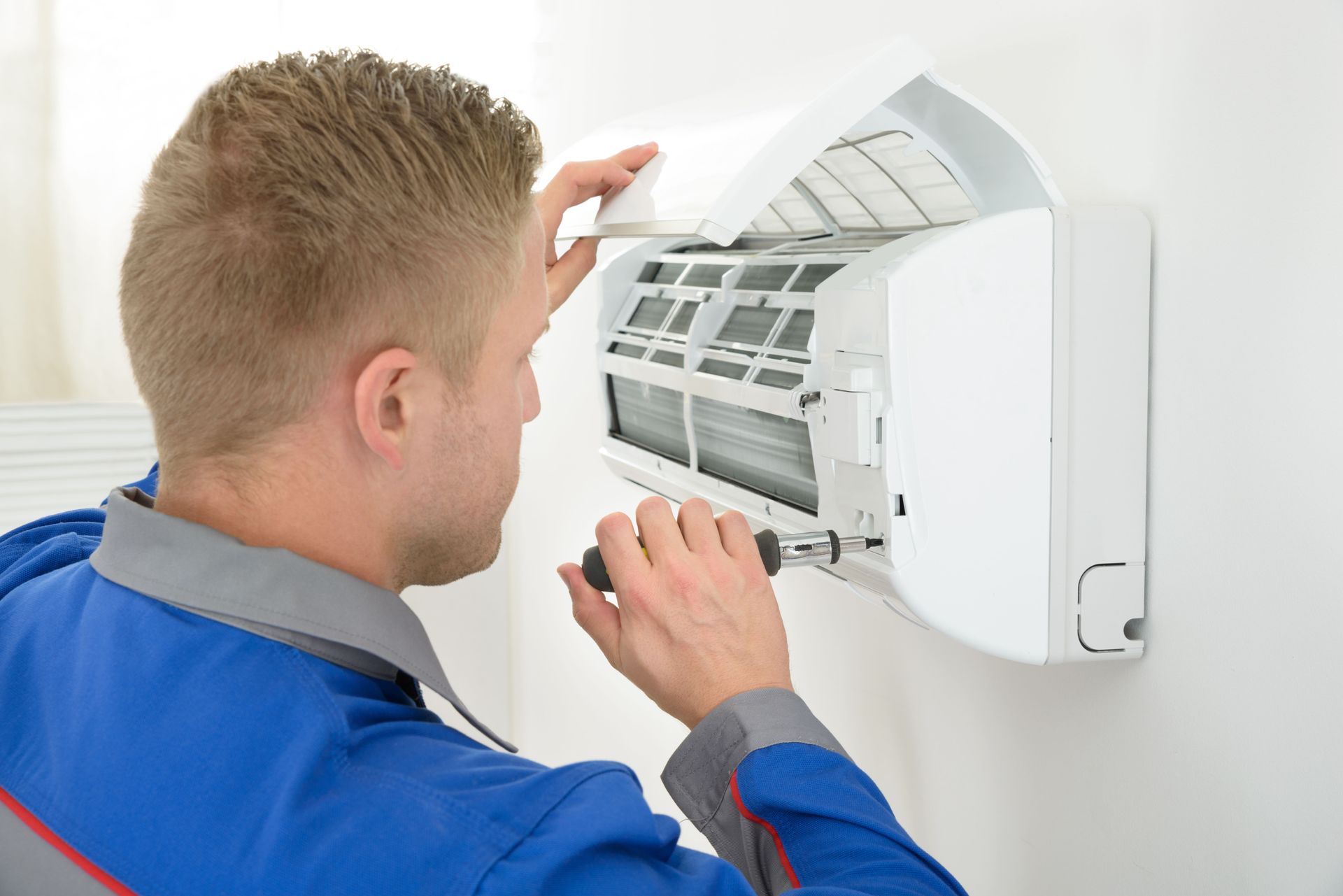
On installation day, certified mechanics begin the physical transformation of your climate control infrastructure by adhering to strict environmental, mechanical, and safety standards. The process starts with the safe recovery and disposal of old refrigerant in compliance with federal environmental guidelines, followed by the careful removal of outdated mechanical hardware. Your air conditioner installer sets the new outdoor unit on a level, vibration-absorbing pad while securing the indoor evaporator coil and air handler in place. Precise structural positioning prevents future noise pollution, maintains proper drainage angles for condensate removal, shields surrounding landscaping, and protects internal mechanical components from unnecessary strain during continuous summer operation.
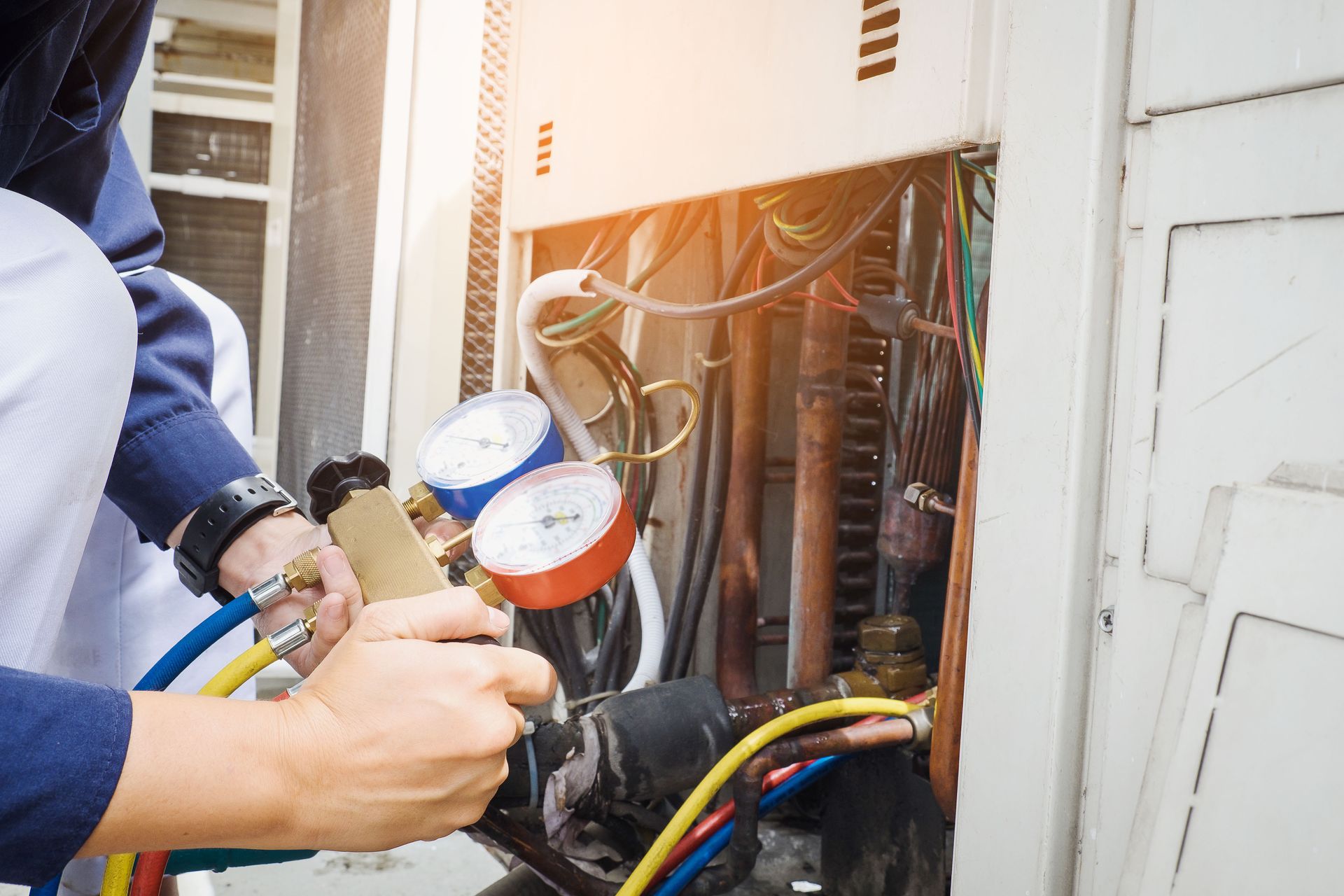
The technical integration continues with the connection of copper refrigeration line sets, high-voltage electrical connections, low-voltage control wiring, and condensate drainage networks. Service technicians join copper tubing using specialized silver-alloy brazing techniques while flowing dry nitrogen through the lines to prevent internal oxidation that could otherwise clog delicate expansion valves. After completing all mechanical connections, the team performs a rigorous pressure test using dry nitrogen to verify leak-free integrity across the entire sealed system. Once pressure stability is confirmed, a high-vacuum pump removes air and non-condensable moisture from the lines before charging the system with exact factory-specified refrigerant levels.
Conducting Post-Installation Testing and Quality Assurance
With mechanical assembly complete, the focus turns to comprehensive system commissioning and rigorous quality assurance testing to verify overall performance. Turning on the main electrical disconnect is only the beginning; a qualified air conditioner installer systematically tests every operating mode under actual working load conditions. Technicians measure static duct pressures, establish proper total external static pressure, and adjust fan speeds to ensure balanced airflow across every supply register in the building.
Quality assurance also involves testing integrated safety controls, diagnostic features, and digital communication networks under simulated fault conditions. Technicians confirm that emergency condensate float switches shut down system operation immediately if primary drain lines become blocked, protecting your building against severe interior water damage. Electrical measurements, including compressor running load amperage and fan motor draw, are checked against manufacturer specification plates to prevent future electrical overloads or fire hazards. Calibrating modern smart thermostats ensures seamless communication between interior sensors and exterior machinery, guaranteeing that your new system responds accurately to temperature adjustments while operating at optimal efficiency levels.
Empowering Clients Through Education and Maintenance Planning
The final operational step involves empowering property owners with the practical knowledge needed to operate and care for their new climate control system effectively. After completing technical testing, your air conditioner installer leads a comprehensive educational walk-through to explain system features, remote monitoring capabilities, and operational settings. Clients learn how to navigate digital thermostat interfaces, set energy-saving automated schedules, manage fan settings, and utilize dehumidification modes. Clear instruction on basic routine maintenance, such as proper air filter selection, replacement intervals, and return vent clearing, ensures that you can take simple proactive steps to protect indoor air quality and maintain uninterrupted airflow.
Long-term performance, high energy efficiency, and ongoing warranty coverage depend on maintaining a consistent preventative service schedule throughout the working life of the machinery. During the final consultation, technicians explain the distinction between manufacturer equipment warranties and contractor workmanship guarantees, filing necessary registration documents on your behalf to protect your investment. Service teams outline long-term maintenance plans that include seasonal inspections, electrical terminal tightening, coil cleaning, and drain pan treatments. Establishing a routine maintenance schedule keeps your equipment running at peak seasonal efficiency, lowers monthly energy costs, and identifies minor mechanical issues before they turn into costly breakdowns.
Investing in a modern high-efficiency cooling system provides immediate benefits in indoor comfort, humidity management, and monthly energy savings when handled by dedicated HVAC professionals. Engaging a licensed air conditioner installer ensures that your project strictly adheres to safety standards, municipal building codes, and manufacturer operational guidelines, providing reliable cooling performance even during the hottest summer heatwaves.
At Golden Days Heating & Cooling, our team of certified HVAC professionals is dedicated to providing superior climate control solutions tailored specifically to your residential or commercial requirements. We manage every aspect of the installation process with extreme care, transparent pricing, and unwavering technical excellence. Do not leave your summer indoor comfort or seasonal energy efficiency to chance with outdated or improperly installed mechanical equipment. Contact us today to schedule your comprehensive climate assessment and discover how our professional team can deliver lasting cooling comfort to your property.
Share On: