

What to Include in Your Furnace Maintenance Checklist
Regular furnace maintenance is essential for ensuring efficient operation and prolonging the lifespan of your heating system. A well-maintained furnace provides consistent warmth, improves indoor air quality, and minimizes the risk of costly furnace repairs. Many homeowners overlook routine inspections, which can lead to expensive problems later. This comprehensive guide will walk you through the essential elements to include in your furnace maintenance checklist, helping you maintain a comfortable and safe home during colder months. From inspecting furnace filters to examining electrical connections, each step is crucial for optimal performance and home safety. By following these steps, you’ll gain confidence in your system’s operation and reduce unnecessary energy costs.
Inspecting and Cleaning Furnace Filters
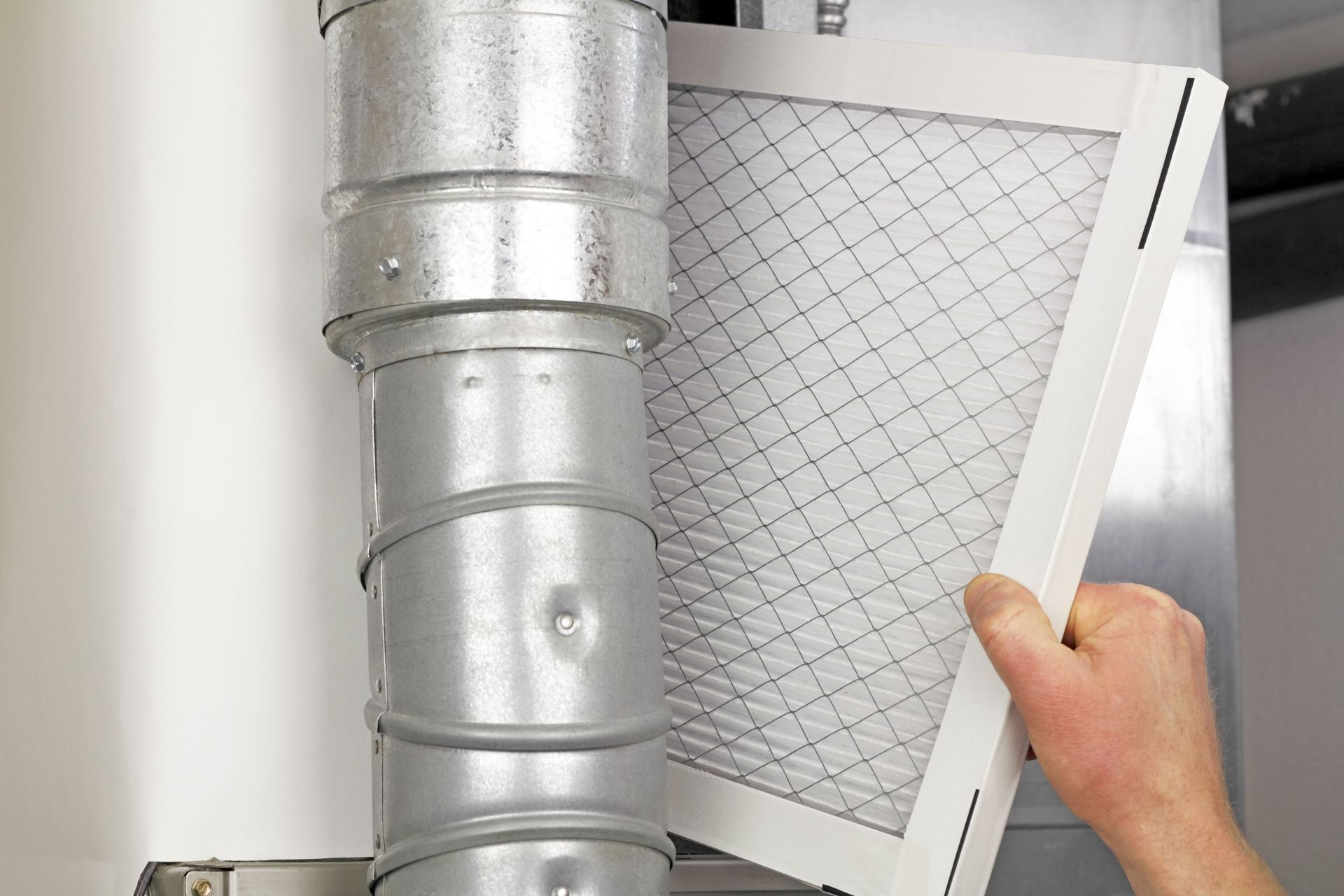
Clean filters are one of the simplest yet most impactful components of a furnace. They trap dust, pollen, pet dander, and other airborne particles, preventing them from accumulating in the system. When filters become clogged, airflow is restricted, forcing the furnace to work harder and increasing energy usage. This added strain can accelerate wear and lead to premature furnace repairs.
A dirty filter can also reduce indoor air quality, aggravating allergies or respiratory issues. Homes with pets or heavy foot traffic may experience more frequent dust accumulation, making monthly inspection essential. Even if your furnace appears to be running normally, poor filter maintenance can silently compromise efficiency and system longevity. According to Realtor.com, a properly maintained furnace can last up to three times longer than one that is neglected, underscoring the importance of routine filter care. Regular cleaning or replacement is a low-cost step with a high return, both in comfort and in preventing repairs.
Replacing and Managing Filters
Understanding the type of filter your furnace uses is crucial. Common options include disposable fiberglass filters, pleated filters, and HEPA filters. Fiberglass filters are inexpensive and easy to replace but capture fewer particles, whereas pleated filters improve filtration and airflow efficiency. HEPA filters provide the highest level of protection against allergens, making them ideal for homes with residents sensitive to air quality issues.
Replacing or cleaning filters regularly keeps your furnace running efficiently. Many homeowners make the mistake of waiting until they notice reduced airflow, but by then, the system may already have experienced unnecessary strain, increasing the likelihood of repairs. Establish a routine schedule, such as checking filters monthly and replacing them every one to three months depending on usage and environmental conditions. Maintaining this habit ensures consistent airflow, better energy efficiency, and prolonged furnace life.
Checking the Thermostat
The thermostat serves as the command center for your furnace. It controls when the system cycles on or off and maintains your desired indoor temperature. An inaccurate thermostat can cause temperature fluctuations, forcing your furnace to overwork and potentially leading to furnace repairs.
Regularly inspect your thermostat to confirm that settings match actual room temperatures. Calibration can drift over time, so periodically comparing the thermostat’s reading with a separate thermometer is a simple and effective way to ensure accuracy. Upgrading to a programmable or smart thermostat provides additional benefits. Programmable models allow you to set heating schedules aligned with your lifestyle, and smart thermostats provide remote control and energy usage reports. These adjustments reduce unnecessary strain on the furnace, help prevent repairs, and can lower energy bills.
Inspecting Blower Assembly
The blower assembly is responsible for moving warm air throughout your home, and keeping it in top condition is vital for comfort and efficiency. Dust and debris can accumulate on the blower fan, reducing airflow and straining the motor. Routine cleaning improves circulation, prevents overheating, and lowers the risk of furnace repairs.
Lubricating the blower motor’s bearings, when recommended by the manufacturer, ensures smooth operation and prevents friction-related damage. Over time, unlubricated motors may produce noise or even fail, requiring costly repairs. Homeowners should also monitor the blower wheel for balance. An imbalanced wheel can cause vibrations that stress the motor and connected components, increasing the likelihood of furnace repairs.
Examining the Heat Exchanger
The heat exchanger transfers heat from combustion gases to the air circulated through your home. Its condition directly affects both efficiency and safety. Cracks, corrosion, or soot buildup can reduce heat transfer efficiency and may even release harmful gases into your living space. Regular inspections and professional cleanings maintain its integrity and prevent dangerous situations that could necessitate urgent furnace repairs.
A neglected heat exchanger increases energy use and places additional stress on the system. Professionals can identify subtle issues early, ensuring that the furnace operates safely and effectively. Routine maintenance includes checking for visible damage, cleaning soot buildup, and testing for safe operation. Addressing small problems before they become severe helps avoid costly furnace repairs and ensures consistent heating performance.
Inspecting Electrical Connections
Electrical issues are a common cause of malfunctions. Loose or corroded connections can reduce power flow, create fire hazards, or cause component failure. Checking voltage, current, and wiring during routine maintenance prevents these problems and reduces the likelihood of furnace repairs.
Tightening connections, inspecting insulation, and looking for signs of wear or corrosion are simple but critical steps. Even minor issues left unchecked can lead to costly repairs or dangerous operating conditions. Regular attention to the furnace’s electrical system ensures consistent performance, energy efficiency, and a safer home environment.
Testing Furnace Safety Controls
Safety controls, including limit switches and flame sensors, protect your home from overheating, gas buildup, and other hazards. Regular testing ensures these systems operate correctly and can prevent dangerous malfunctions. A faulty limit switch or dirty flame sensor can force the furnace to shut down or operate unsafely, increasing the risk of repairs.
Routine safety testing involves verifying the function of limit switches, cleaning the flame sensor, and ensuring proper ventilation. These checks not only protect the furnace but also safeguard your family from carbon monoxide or fire risks. Being proactive with safety controls reduces emergency repairs and extends the system’s operational lifespan.
Preparing for Emergencies
Even with diligent maintenance, unexpected issues can still arise. Furnaces are complex systems, and even a well-cared-for unit can experience malfunctions due to wear, electrical problems, or blocked components. Familiarizing yourself with your furnace’s shut-off procedures is critical so you can act quickly in an emergency. Installing smoke and carbon monoxide detectors near the system adds an extra layer of protection, giving you time to respond before a small problem escalates. Keeping a log of unusual noises, odors, or performance changes can also help you identify early warning signs and inform your HVAC professional if service is needed.
In addition, maintaining up-to-date contact information for local HVAC professionals ensures you can reach qualified help immediately. Quick response can minimize damage, prevent further strain on the system, and reduce the likelihood of costly furnace repairs. Being prepared empowers you to handle emergencies calmly and effectively, ensuring your home remains safe and comfortable even when unexpected problems occur. Proactive readiness, combined with regular maintenance, offers peace of mind and helps preserve the longevity and efficiency of your furnace.
Following a comprehensive maintenance checklist enhances safety, efficiency, and comfort while minimizing the need for unexpected repairs. Regular attention to filters, thermostats, blower assemblies, heat exchangers, electrical systems, and safety controls prolongs the furnace’s lifespan and maintains reliable performance. Proactive maintenance provides peace of mind, reduces energy costs, and ensures consistent warmth throughout your home. Take an active role in caring for your furnace and rely on professional support when needed. For expert assistance and dependable service, trust Golden Days Heating & Cooling.
Share On: