

How Furnace Repairs Help Lower Your Bills
Keeping your home warm during the colder seasons is essential, yet many homeowners feel the strain of rising utility expenses. While energy costs vary depending on fuel type, equipment age, and household usage, one factor is often overlooked. Routine furnace repairs can make a meaningful difference in how efficiently your heating system performs. When small issues go unresolved, the furnace must work harder than necessary, consuming more energy and driving up monthly bills. Understanding how targeted maintenance improves system performance can help you make informed choices that support long-term savings. This blog explains the connection between furnace repairs, improved efficiency, reduced waste, and ongoing cost control for your home.
Identifying Problems That Affect Energy Efficiency
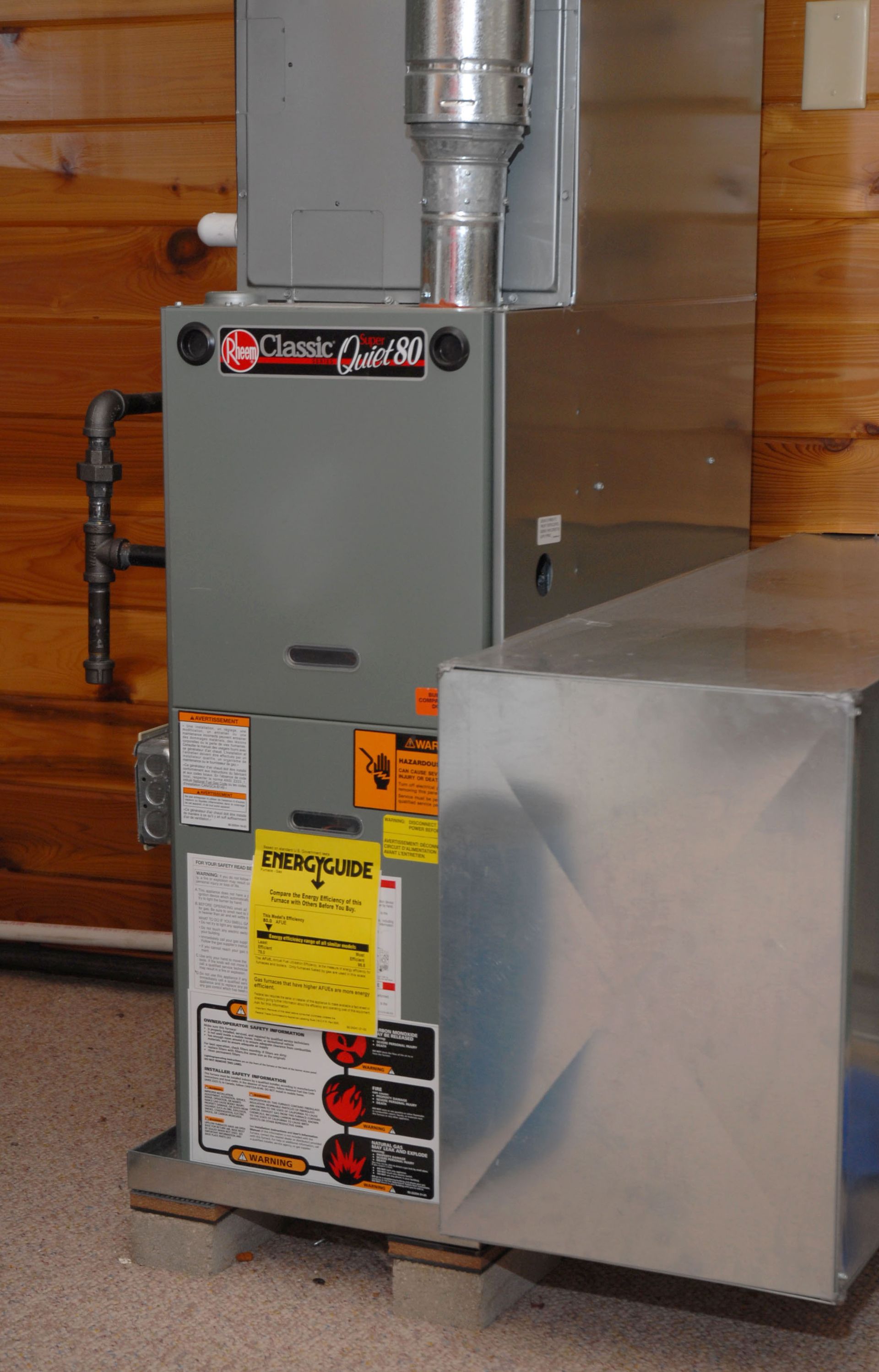
Many heating systems gradually lose efficiency as parts wear down over time. A minor component issue can quickly escalate into significant energy waste, especially during heavy seasonal use. When homeowners schedule professional furnace repairs, technicians can pinpoint early problems such as clogged burners, weakened ignition components, or dirty sensors. Each of these issues can force the furnace to cycle more frequently or stay on longer than needed, ultimately increasing energy consumption. Addressing these problems promptly not only improves heat distribution but also helps stabilize your monthly heating expenses.
Beyond mechanical concerns, airflow restrictions also compromise efficiency. Dirty filters, obstructed return vents, and internal blockages create resistance that causes the blower motor to work harder. This extra effort requires more energy and places unnecessary strain on the system. Timely furnace repairs help restore clear pathways throughout the heating system, ensuring warm air can circulate properly. When the system breathes more freely, it requires less energy to maintain comfortable temperatures, which lowers utility costs.
Correcting Issues That Lead to Heat Loss
Energy loss is one of the most impactful reasons heating bills rise. Even a high-quality furnace can struggle to maintain steady temperatures when heat escapes through the duct system. During service appointments, technicians inspect the ductwork closely to identify cracks, loose connections, or deteriorated insulation. Small leaks may seem insignificant, yet they cause the furnace to run longer because warm air never fully reaches the living spaces. With furnace repairs focused on sealing leaks, redistributing heat becomes more efficient, and wasted energy is minimized.
The research supports how significant this issue can be. According to Energy Star, about 20 to 30 percent of the air that moves through the duct system is lost due to leaks, holes, and poorly connected ducts. When this amount of heated air escapes, the financial cost is felt quickly. By addressing duct problems with proper sealing, insulation improvements, and structural adjustments, homeowners can reduce their energy loss dramatically. This makes every cycle of the furnace more productive and prevents extended run times that push monthly utility bills higher.
Improving System Performance Through Calibration
A furnace depends on precise calibration to achieve optimal performance. When components fall out of alignment or lose accuracy through wear, the entire heating cycle becomes less efficient. Professional furnace repairs often include recalibrating sensors, adjusting blower speeds, verifying thermostat communication, and ensuring combustion processes meet correct specifications. These improvements allow the system to operate at its intended performance level.
Calibration plays a direct role in energy savings. When the thermostat misreads indoor temperatures or the furnace overshoots heating targets, the system cycles unnecessarily. Each extra cycle uses additional fuel or electricity that provides no real benefit to the homeowner. With accurate calibration, the furnace runs only when it is needed and shuts off at the proper time. This prevents the common issue of rising bills caused by prolonged or inefficient operation. Technicians also check the flame pattern, fan timing, and safety controls to keep the system operating efficiently and safely throughout the season.
Extending Equipment Life to Avoid High Cost Replacements
Unexpected system replacements are a major financial burden. While every furnace has a limited lifespan, proper maintenance can significantly delay the need for new equipment. Routine furnace repairs help reduce wear and tear by ensuring mechanical components operate smoothly. When blower motors, belts, bearings, and electrical connections receive timely attention, they avoid the high strain that leads to premature failure.
The longer a furnace lasts, the more value homeowners receive from their investment. A well-maintained system also maintains its efficiency better over time. Without consistent repair and upkeep, furnaces lose the ability to perform at their designed efficiency rating. This decline results in higher fuel usage and increased energy costs. By investing in regular service, homeowners keep both equipment health and energy performance at a level that supports long-term cost savings. In many cases, extending the furnace’s lifespan by even a few years can translate into hundreds of dollars saved in both operational and replacement expenses.
Reducing Emergency Breakdowns and Associated Costs
Emergency breakdowns often occur at the worst possible times, especially during severe cold spells when the furnace is working hardest. Not only are emergency repairs typically more expensive, but they can also lead to prolonged periods of system downtime that compromise comfort and safety. Regular furnace repairs play a preventive role by identifying vulnerabilities before they become larger failures.
When a technician inspects the system during scheduled service, they can detect unusual noises, loose components, or inconsistent startup patterns. These early indicators allow problems to be repaired before they cause a shutdown. Preventing a major breakdown reduces both repair expenses and the likelihood of inflated energy bills caused by declining performance leading up to a failure. Keeping the system stable throughout the winter also ensures that homeowners do not resort to space heaters or temporary heating alternatives that significantly increase utility usage.
Restoring Proper Airflow to Maintain Lower Bills
Proper airflow is essential to efficient heating, yet it is one of the most frequently overlooked elements of a home’s HVAC performance. When airflow is restricted, the furnace must operate longer to distribute warm air, which naturally increases energy consumption. Routine furnace repairs focus heavily on improving airflow by cleaning internal components, checking duct pressure levels, adjusting fan operation, and ensuring vents remain unobstructed.
Airflow issues also influence comfort. Uneven temperatures or rooms that feel colder than others often indicate that the furnace is struggling to move air effectively. When airflow is normalized, the system can heat the home more quickly, reducing the amount of time it must stay on during each heating cycle. Shorter run times directly translate into lower fuel or electrical usage. Over the course of a heating season, this improvement can make a meaningful difference in the total cost of keeping the home warm.
Enhancing Overall Home Comfort and Efficiency
Lower utility bills are one benefit of well-maintained furnaces, but improved comfort is another important advantage. When a system operates efficiently, it distributes heat evenly, maintains steady temperatures, and reduces fluctuations that make a home feel drafty or inconsistent. Furnace repairs also help eliminate noises, burning odors, or delayed startups that can signal deeper issues within the system.
A comfortable home environment encourages more efficient energy habits as well. When temperatures remain consistent, homeowners are less likely to adjust the thermostat repeatedly, which leads to unnecessary cycling. The furnace only uses the energy required to meet set targets without struggling to compensate for avoidable inefficiencies. Regular servicing supports a quiet, effective, dependable system that operates at peak efficiency and aligns with long-term savings goals.
Furnace maintenance is one of the most effective ways to control rising household energy expenses. When components remain clean, calibrated, and free of mechanical issues, the furnace uses less energy to deliver consistent heating. Furnace repairs reduce heat loss, prevent emergencies, improve airflow, and help extend the overall lifespan of the system. These improvements contribute directly to lower monthly utility bills and better performance throughout the heating season. Take the first step toward maximizing efficiency and long term comfort by scheduling an appointment with Golden Days Heating & Cooling today.
Share On: