


Geothermal vs. Traditional HVAC: Which Is Right for You?
Selecting the right HVAC system is more than a comfort decision—it's an investment in energy efficiency, cost savings, and environmental responsibility. Traditional HVAC systems have been the standard for decades, offering reliable heating and cooling. However, the rise of geothermal heating and cooling provides a highly efficient, sustainable alternative that can lower utility bills and reduce your carbon footprint. Understanding how each system works, its components, costs, and long-term benefits allows homeowners to make informed decisions tailored to their property and lifestyle.
Explaining How Geothermal Heating and Cooling Operates
Geothermal heating and cooling systems leverage the Earth's stable underground temperature to regulate indoor climates efficiently. The system circulates a fluid through buried loops, absorbing heat from the ground in winter and transferring it back in summer. This renewable energy source dramatically reduces reliance on fossil fuels and can achieve efficiency up to 70% higher than traditional HVAC systems. Geothermal systems are scalable for both residential and commercial applications. According to the Climate Adaptation Platform, geothermal heat pumps have the potential to heat and cool up to 80 million homes, including residential and commercial buildings, across the United States by 2050. With growing energy demands and environmental concerns, geothermal solutions are becoming a leading choice for sustainable homes.
Describing the Core Components of Geothermal Systems
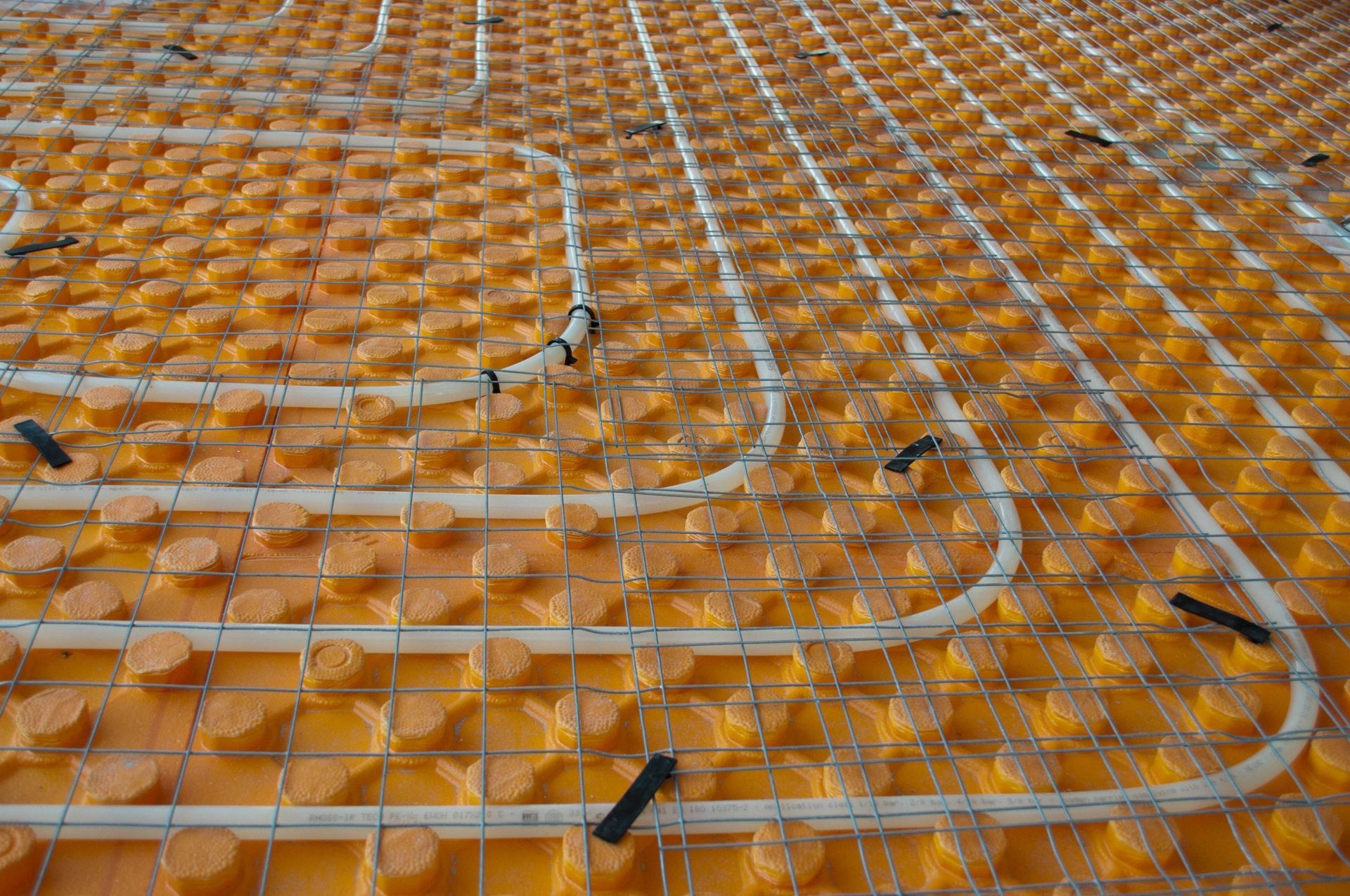
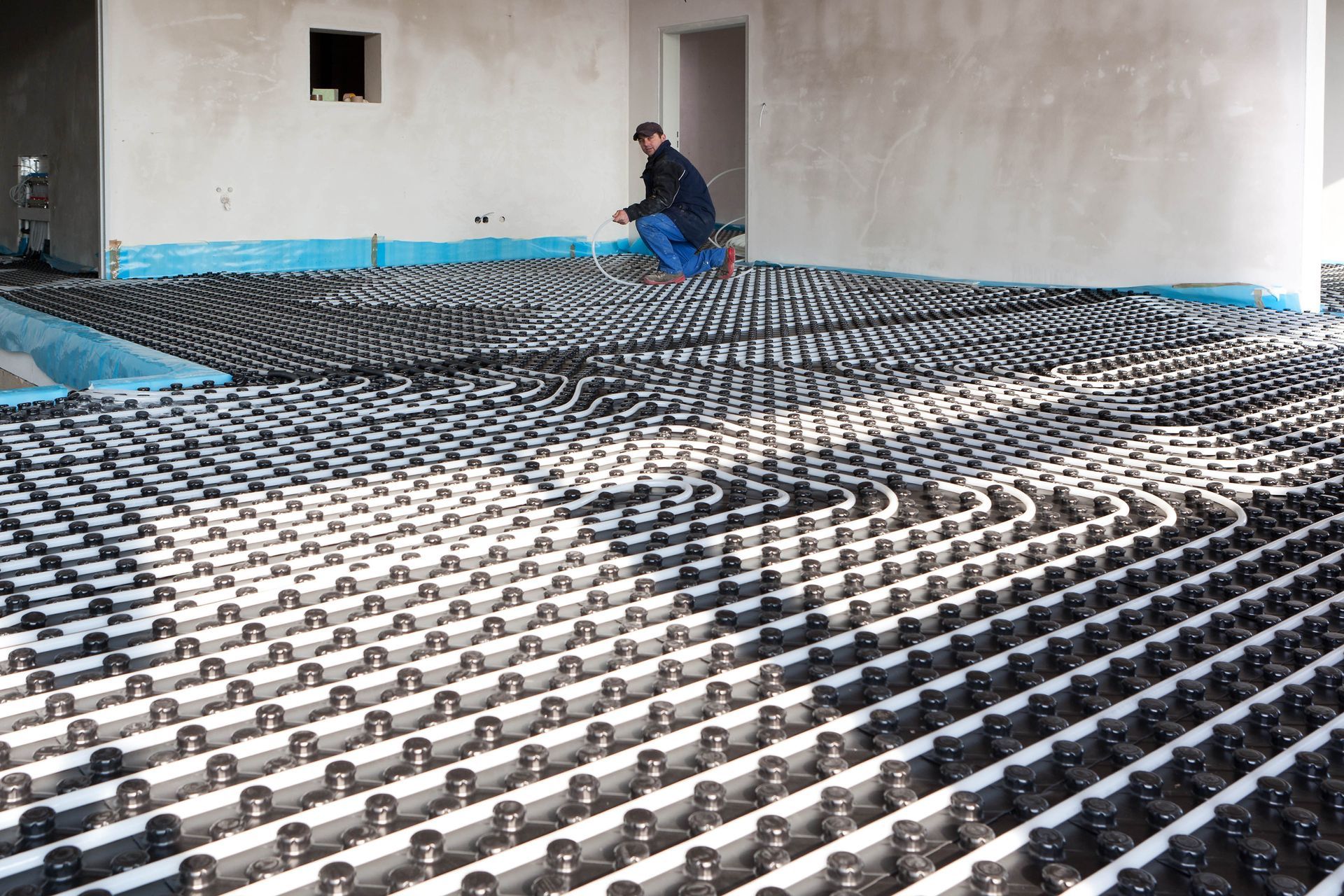
The performance of a geothermal system relies on three primary components: the heat pump, the ground loop, and the distribution system. The heat pump transfers thermal energy between the ground and your home, using advanced refrigerants to optimize energy movement. Ground loops, installed either horizontally or vertically, circulate the fluid that absorbs and releases heat. The distribution system ensures that warm or cool air flows evenly throughout the home, using ductwork, radiant floors, or air handlers, depending on your property. Each component is essential for achieving high efficiency, lower energy bills, and consistent comfort. Advances in technology continue to enhance the performance and longevity of these components, making geothermal systems increasingly accessible.
Explaining How Geothermal Systems Are Installed
Installing a geothermal heating and cooling system starts with a detailed site assessment, including soil analysis, property size, and topography. Horizontal loops require more surface area, while vertical loops are ideal for smaller properties. Precise drilling or trenching is required to ensure optimal heat exchange. Installation requires specialized contractors experienced with geothermal technology, ensuring the system performs efficiently over its lifespan. While initial costs are higher than traditional HVAC systems, homeowners often recover the investment through energy savings, minimal maintenance, and available tax incentives or rebates. Careful planning is critical to maximize performance and maintain long-term reliability.
Highlighting the Environmental Benefits of Geothermal Systems
Geothermal heating and cooling systems have a low environmental impact. By using the Earth's natural heat, they significantly reduce greenhouse gas emissions and dependence on fossil fuels. Unlike traditional HVAC systems, geothermal setups do not require cooling towers or chemical additives, conserving water and minimizing pollution. Large-scale adoption of geothermal technology could reduce national energy consumption and lower carbon emissions, contributing to climate change mitigation. For homeowners, these systems provide cleaner air, reduced environmental impact, and long-term energy savings, making them an ideal choice for sustainable living.
Discussing the Challenges of Geothermal Systems
While geothermal systems offer numerous advantages, potential challenges exist. The high initial installation cost, complex underground work, and property or geological limitations can be obstacles for some homeowners. System performance depends heavily on proper design, sizing, and installation, which makes choosing experienced contractors essential. In addition, homeowners need to plan for potential landscape disruptions during installation. Despite these challenges, the operational savings, low maintenance, and incentives often outweigh the upfront costs, making geothermal heating and cooling a viable long-term investment for energy-conscious homeowners.
Explaining How Traditional HVAC Systems Operate
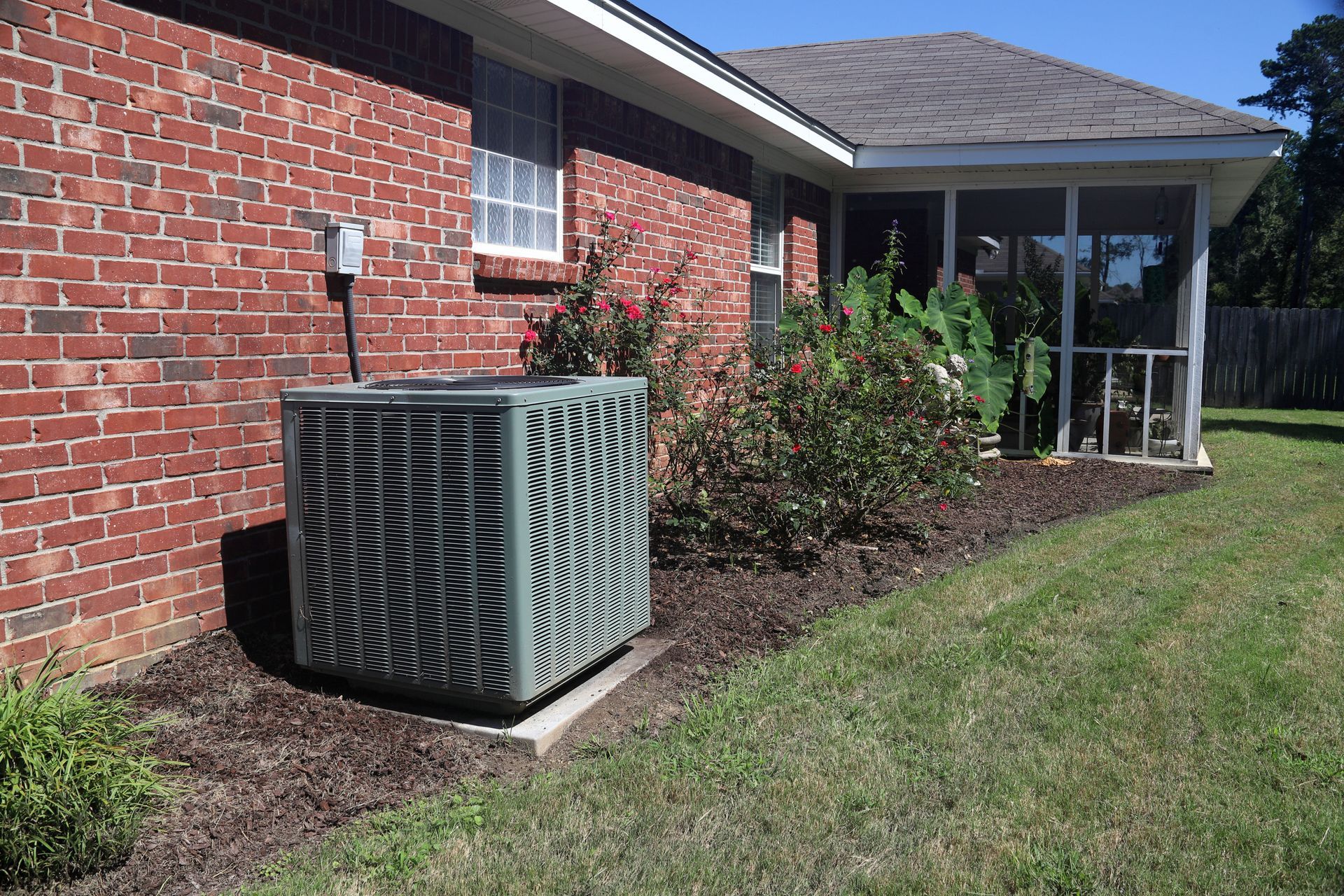
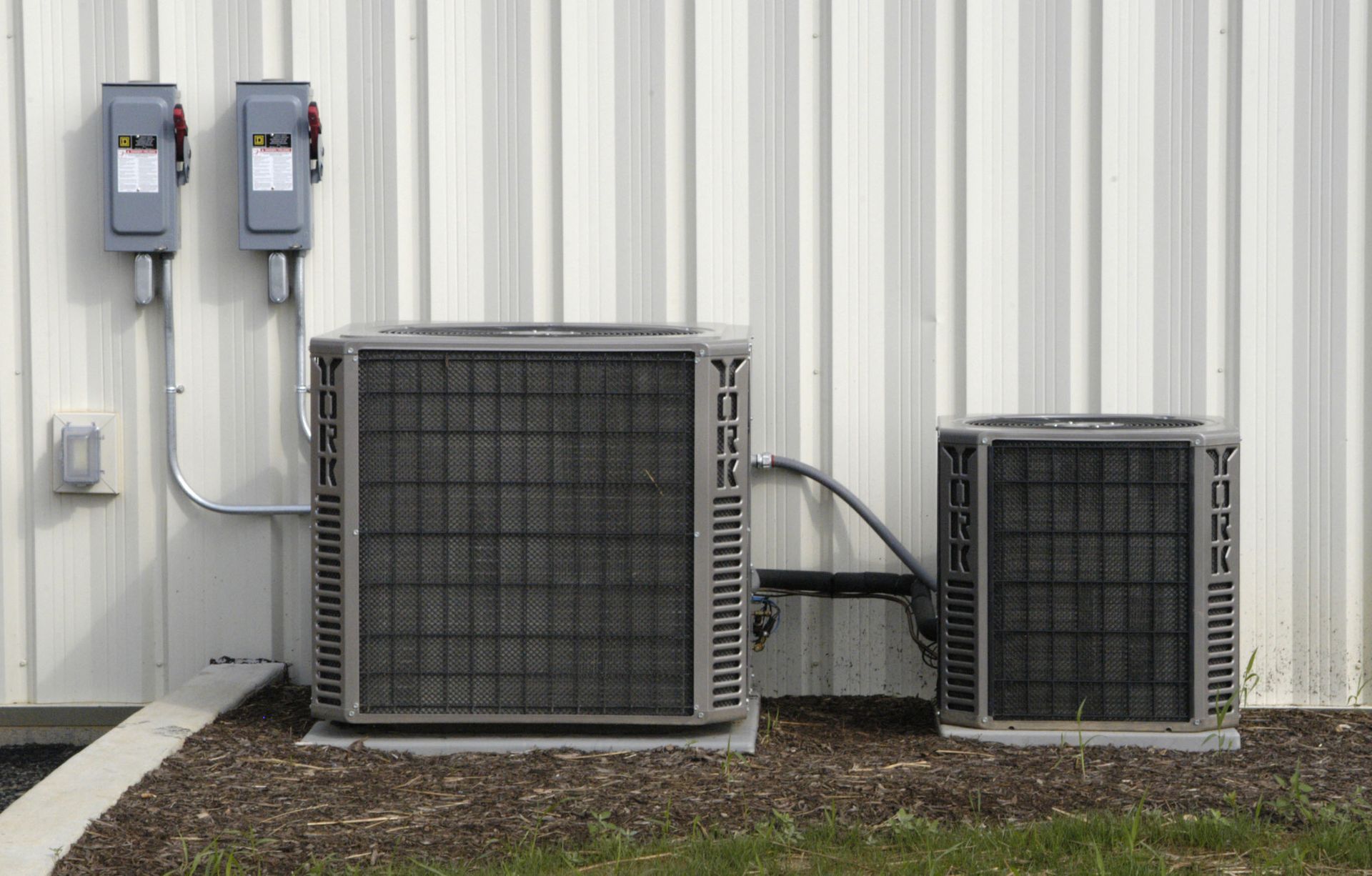
Traditional HVAC systems encompass furnaces, boilers, heat pumps, and air conditioners, fueled by electricity, gas, or oil. Central systems distribute air through ductwork, while ductless or packaged systems provide alternatives for specific property constraints. These systems have been relied upon for decades due to their familiarity, wide availability, and relatively lower upfront costs. They provide reliable year-round comfort but typically have higher energy consumption and environmental impact compared to geothermal systems.
Describing the Components and Functioning of Traditional HVAC
The functionality of traditional HVAC systems relies on energy transfer through air and refrigerants. Furnaces and boilers heat air using gas or oil, which is then circulated through ducts. Air conditioners extract heat from indoor air and release it outdoors. Thermostats regulate system cycles, while filters maintain air quality and prevent inefficiencies. Modern upgrades, such as smart thermostats, variable-speed motors, and improved refrigerants, have increased energy efficiency, but traditional systems still consume significant energy and generate more emissions compared to geothermal heating and cooling.
Explaining How Traditional HVAC Systems Are Installed
Installing traditional HVAC systems begins with sizing the unit based on the property's heating and cooling needs. Proper installation ensures efficiency, comfort, and system longevity. Key components such as furnaces, air handlers, and condensers are installed, along with necessary ductwork or piping. Installation also considers energy source, outdoor unit placement, and accessibility for maintenance. Certified technicians are essential to ensure safety, system efficiency, and adherence to local codes. Regular maintenance is crucial to maintain performance and prevent higher operating costs over time.
Comparing the Pros and Cons of Traditional HVAC Systems
Traditional HVAC systems are widely available, reliable, and generally have lower initial costs. They provide multiple options to meet different budgets, space requirements, and energy preferences. However, traditional systems often have higher energy consumption, higher operating costs, and a greater environmental footprint. Ductwork can lead to energy loss or indoor air quality issues if not properly maintained. While newer technologies improve efficiency, traditional systems cannot match the energy savings and sustainability benefits of geothermal heating and cooling.
Evaluating Efficiency and Environmental Impact
Energy efficiency and environmental impact are critical factors when comparing HVAC systems. Geothermal heating and cooling offer superior efficiency, using renewable energy to heat and cool homes while reducing carbon emissions. Traditional HVAC systems, despite technological improvements, still rely on electricity or fossil fuels and produce more greenhouse gases. Homeowners focused on sustainability and long-term savings often find geothermal systems the better choice, delivering consistent comfort with minimal environmental impact.
Beyond energy consumption, the environmental impact of HVAC systems also includes resource usage and long-term sustainability. Geothermal heating and cooling systems require minimal water and do not rely on chemical refrigerants or cooling towers, which helps preserve natural resources and reduce pollution. In contrast, traditional HVAC systems often depend on large amounts of water for cooling and use refrigerants that can contribute to ozone depletion or greenhouse gas emissions if not properly managed.
Selecting the best system depends on budget, property characteristics, energy goals, and long-term priorities. Geothermal heating and cooling are ideal for those seeking efficiency, sustainability, and long-term savings. Traditional HVAC is suitable for homeowners prioritizing lower initial costs or simpler installation. Considering property layout, climate, and energy goals ensures homeowners make an informed decision that balances comfort, cost, and environmental responsibility.
Both
geothermal heating and cooling and traditional HVAC systems deliver reliable indoor comfort. However, geothermal solutions excel in energy efficiency, environmental sustainability, and long-term savings. Homeowners interested in reducing their carbon footprint while maintaining superior comfort should explore geothermal options. Start your journey toward energy-efficient, eco-friendly heating and cooling by consulting a HVAC professional at Golden Days Heating & Cooling today and discover the system that best meets your home's needs.
Share On: