


How a Geothermal HVAC System Can Improve Comfort Year-Round
When it comes to creating a home or business environment that keeps occupants comfortable throughout the year, choosing the right HVAC system is one of the most important decisions you can make. Traditional heating and cooling systems rely on air temperature alone to combat seasonal extremes, often struggling with uneven temperature distribution, fluctuating energy bills, and inconsistent indoor comfort. These challenges have driven many forward-thinking homeowners and facility managers to look for a more reliable, efficient, and long-lasting solution. One answer gaining traction across the globe is geothermal HVAC technology.
Geothermal systems harness the stable temperatures below the Earth’s surface to provide heating, cooling, and even hot water with minimal energy waste. Instead of generating heat through combustion or electric resistance, these systems move heat back and forth between your building and the ground, taking advantage of nature’s constant thermal reservoir. This technology not only improves year-round comfort but also aligns with a growing desire for sustainable and cost-effective home systems. As more people seek ways to reduce their environmental impact while enhancing livability, geothermal HVAC is emerging as a leading choice.
Learning How a Geothermal HVAC System Works
Most people are familiar with air-source heat pumps, which transfer heat between the outdoors and indoors. A geothermal system, sometimes called a ground-source heat pump, works on a similar principle but replaces outdoor air with stable ground temperatures. Just six feet below the surface, the earth maintains a nearly constant temperature year-round, often between 45°F and 75°F depending on geography. By circulating a water-based solution through loops buried in the ground, a geothermal system taps into this natural reservoir to heat or cool a building far more efficiently than conventional systems.
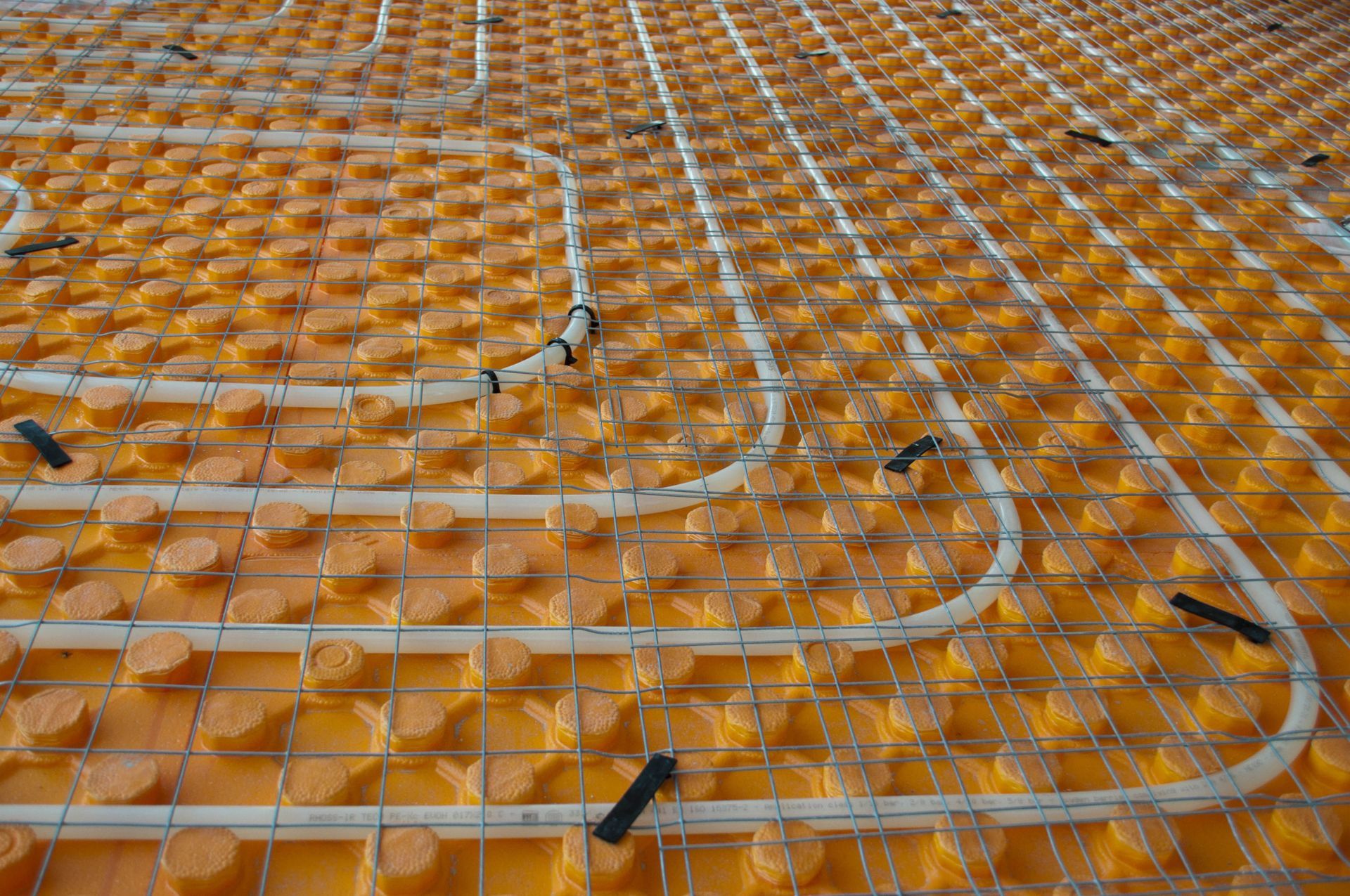
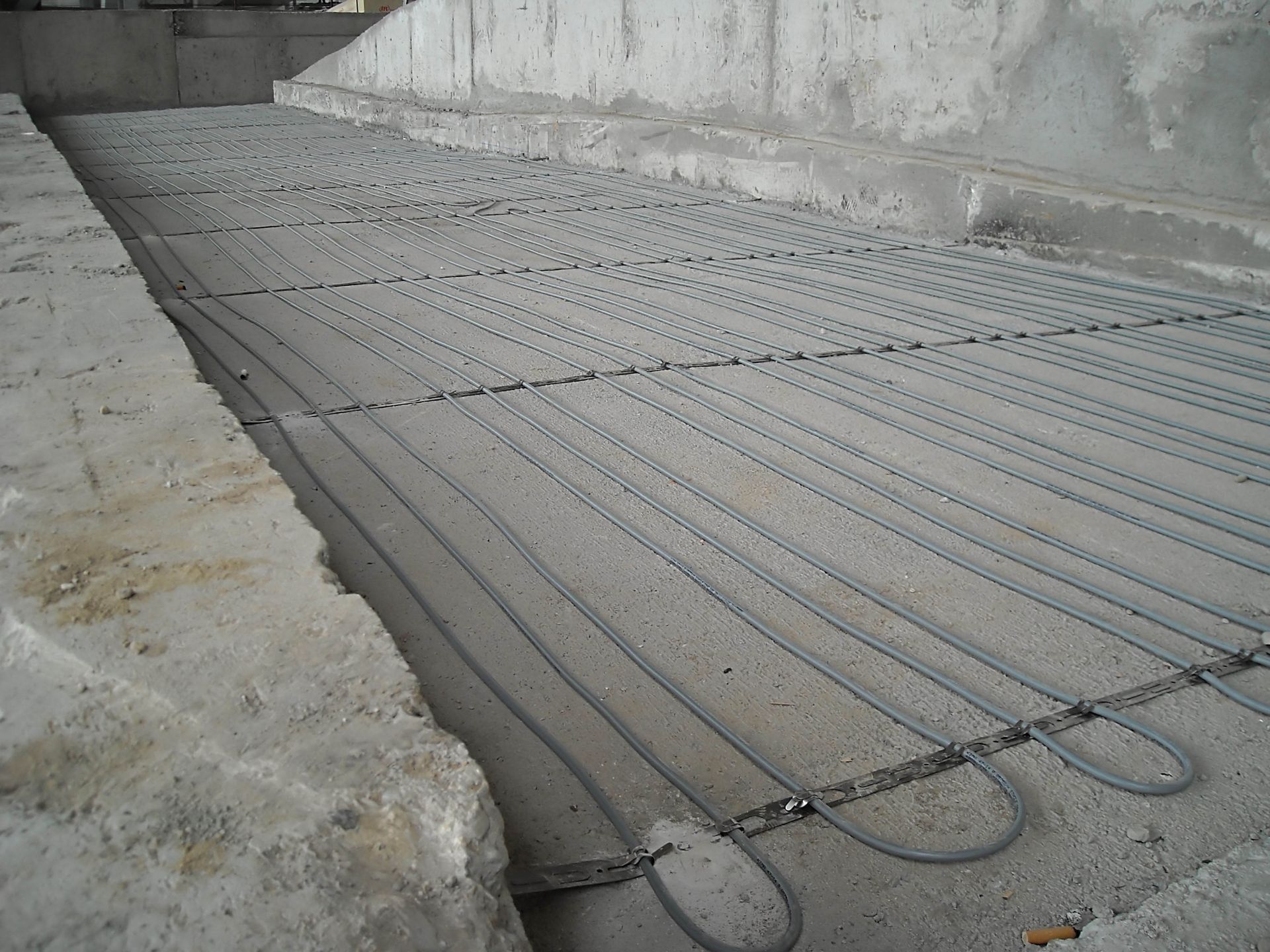
In winter, the fluid circulating in the loop absorbs heat from the warmer ground and carries it to the heat pump, which then compresses and distributes it through your ductwork or radiant floor system. In the summer, the cycle reverses: heat is drawn from the indoor air and carried down into the cooler ground. This constant exchange requires less energy than systems that must generate heat from scratch or push against extreme outdoor air temperatures. The result is a smoother, more consistent indoor climate with fewer hot or cold spots, and an energy profile that makes the system attractive for both homeowners and businesses alike.
Beyond basic operation, the longevity and low mechanical complexity of geothermal systems contribute to their appeal. With properly installed ground loops, a geothermal HVAC system can last decades with little more than routine maintenance. Indoor components tend to have longer lifespans as well because they operate under gentler conditions compared to conventional furnaces or air conditioners. For people tired of frequent system breakdowns or uneven temperature control, geothermal systems offer reliability and peace of mind.
Maximizing Efficiency and Reducing Costs
One of the biggest selling points of geothermal systems lies in their efficiency. Because they tap into the earth’s stable thermal mass instead of battling fluctuating outdoor air temperatures, geothermal heat pumps can deliver heating and cooling with remarkable energy savings.
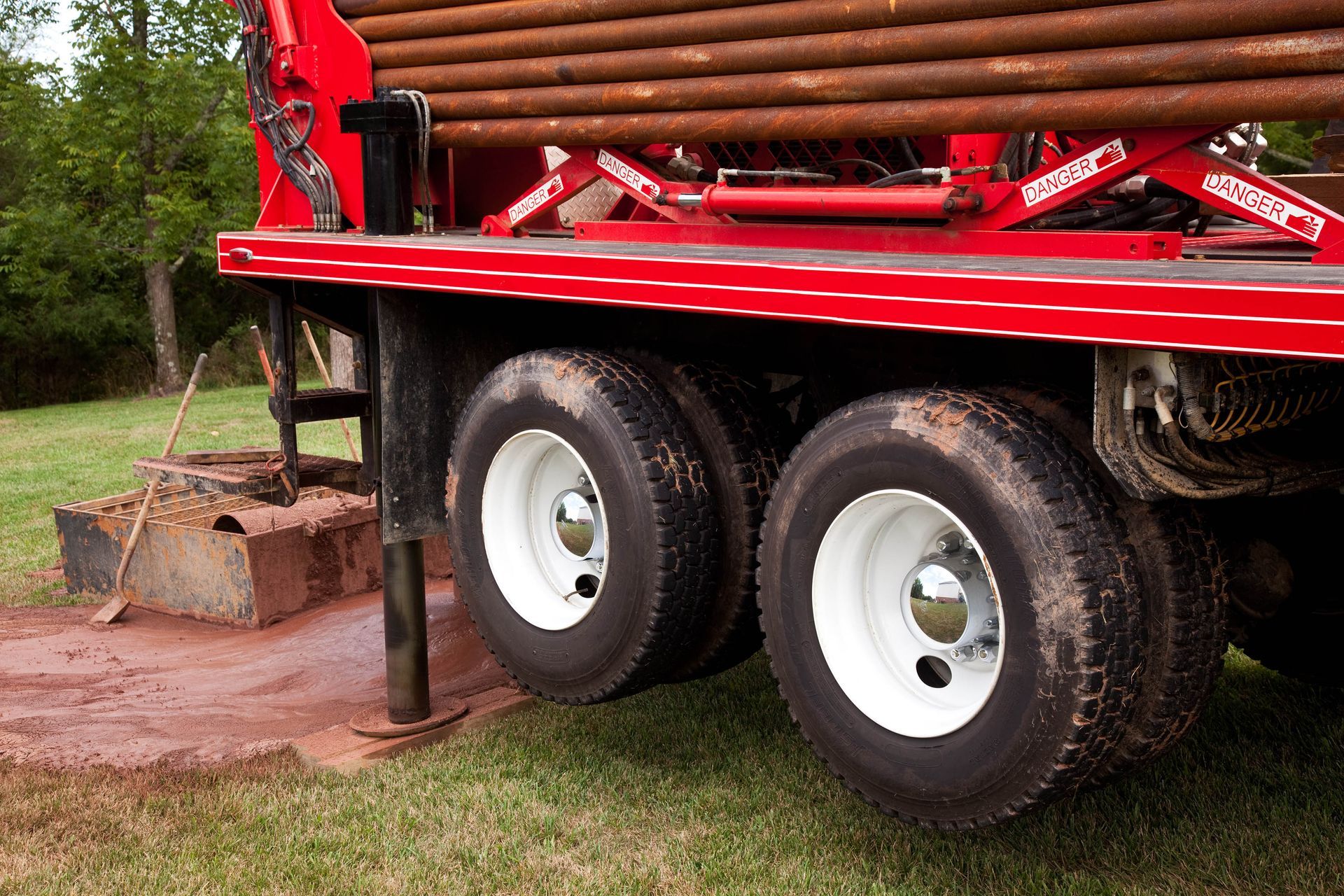
The economic appeal of geothermal systems goes beyond simple utility savings. Installation costs are higher than those of many conventional systems, mainly because of the expense and labor involved in burying the ground loop. However, the long-term return often justifies the initial investment. One key factor accelerating adoption is federal incentive programs. According to the Climate Adaptation Platform, federal tax credits cover about 30% of the costs associated with installing a geothermal heat pump as of 2025. This credit applies to both residential and commercial installations, substantially reducing the upfront financial barrier and improving the overall payback period.
In addition to tax credits, some states and local utilities offer rebates or financing programs that further offset installation costs. Over time, the combination of these incentives, reduced energy bills, and minimal maintenance expenses can make a geothermal HVAC system one of the most cost-effective decisions a property owner can make. Instead of paying for frequent service calls and constant energy usage, owners can enjoy dependable comfort at a fraction of the long-term cost.
Enhancing Comfort Throughout Every Season
Comfort is more than just reaching a desired temperature on a thermostat. It’s also about how evenly heat or cooling is distributed, how the system handles humidity, and whether indoor air feels stable throughout the day. Because a geothermal HVAC system operates with high efficiency and consistent performance, fluctuations in indoor temperature are minimized. Rooms maintain gentle, steady warmth in winter and refreshing coolness in summer without the frequent cycling typical of conventional systems that can leave spaces feeling too hot or too cold.
Humidity control is another area where geothermal systems shine. Traditional air conditioners and heat pumps often struggle in humid climates because they cycle on and off frequently, reducing their ability to dehumidify the air effectively. Geothermal heat pumps operate more continuously at lower speeds, a pattern that enhances moisture removal from indoor air. The result is a more comfortable interior environment with less clamminess in warm months and more consistent warmth in cold months. For people sensitive to humidity or those living in climates with high moisture levels, this can make a noticeable difference in comfort.
In addition, geothermal systems are quieter than conventional HVAC equipment. The noisy outdoor condenser unit found in many split air conditioners and heat pumps is replaced in geothermal systems by ground loops buried quietly out of sight. Indoor equipment is also designed to operate with reduced noise levels. This can be especially beneficial in bedrooms, offices, or any space where low noise is desired. Instead of the loud whoosh and abrupt stops of traditional equipment, geothermal HVAC delivers a smoother, subtler performance that contributes to a calmer indoor environment.
Supporting the Environment Through Smart Technology
Beyond personal comfort and cost savings, a geothermal HVAC system offers major environmental advantages. By reducing reliance on fossil fuels and operating with high efficiency, they dramatically lower greenhouse gas emissions compared to traditional heating and cooling systems. For homeowners and organizations committed to sustainability, geothermal systems are a powerful step toward reducing carbon footprints and supporting broader climate goals.
The environmental advantages also tie into occupant comfort in subtle ways. A home that maintains stable temperatures with minimal energy waste fosters a healthier indoor environment. Combined with proper ventilation and air filtration, geothermal systems can support better air quality, reducing pollutants and allergens that might otherwise circulate with frequent cycling systems. This is especially valuable for households with children, elders, or individuals with respiratory sensitivities.
In addition, because geothermal systems depend on the earth’s thermal stability, they reduce peak load stress on local electrical grids. During extreme weather events when conventional systems strain grid capacity, geothermal systems can help stabilize demand. This has community-wide implications, reducing the chances of power outages that leave people without cooling or heating when they need it most.
Choosing the right HVAC system makes a profound difference in how comfortable a home or business feels throughout the year. Geothermal systems provide consistent, efficient heating and cooling that outperforms many conventional alternatives. By tapping into the earth’s stable temperatures, they maintain indoor comfort with fewer fluctuations, quieter operation, and enhanced humidity control.
Experience the year-round comfort a geothermal HVAC system can provide by partnering with Golden Days Heating & Cooling. We’re here to help you upgrade your home’s heating and cooling with efficiency and reliability you can count on.
Share On: