


A Complete Guide to Geothermal Heating and Cooling Service and System Longevity
As global consciousness grows about the need for sustainable living, geothermal systems emerge as a prime solution for residential energy efficiency. These systems utilize the stable temperature underground to regulate indoor climates, offering significant energy savings and reducing environmental impacts. Our team knows how important it is to guide you through the operation and long-term care of these setups to maximize their lifespan. This article explains how a proper geothermal heating and cooling service keeps your home comfortable, eco-friendly, and cost-effective for decades to come.
According to This Old House, homeowners across the United States swap out more than 3 million traditional HVAC systems every single year. Conventional units suffer from constant exposure to harsh outdoor elements, leading to frequent breakdowns and premature replacement cycles. Transitioning to underground climate technology offers a far more sustainable alternative that drastically lowers national energy consumption. Investing in a professional geothermal heating and cooling service guarantees that your sustainable setup continues to run smoothly while protecting your household from rising utility expenses.
Learn the Fundamentals of Underground Thermal Transfer
Geothermal energy leverages the consistent temperatures found just beneath the surface of the earth to provide reliable indoor comfort. The core process involves circulating a specialized fluid through a network of subterranean pipes that interact with ground temperatures. During winter months, the earth's stable warmth transfers into the fluid to bring heat into your living spaces. When summer arrives, the process reverses by extracting excess heat from your home and dissipating it back underground.
Relying on subterranean energy effectively reduces a household's overall dependence on traditional fossil fuels. By utilizing a system that eliminates the constant burning of gas or oil, homeowners enjoy consistent warmth during bitter winters and refreshing coolness during sweltering summers. Scheduling a routine geothermal heating and cooling service ensures that the heat exchange process operates at peak efficiency year-round. This proactive care lowers overall monthly energy bills while significantly shrinking your home's total carbon footprint.
Ground-exchange setups capitalize on stable earth temperatures to deliver remarkable operational efficiency. Unlike standard air-source heat pumps that struggle against extreme outdoor weather, subterranean loops operate in predictable underground conditions. This built-in consistency translates directly into higher energy savings, as the equipment does not have to work as hard to adjust temperatures. Our team helps you maintain these thermal transfer loops so your home benefits from steady, reliable comfort without unexpected operational disruptions.
Examine the Core Components of Climate Control Systems
The main components of a geothermal setup include the primary heat pump, the underground loop field, and the indoor air distribution network. The interior heat pump acts as the heart of the setup by actively moving thermal energy between the ground loop and your home. The loop field consists of heavy-duty polyethylene pipes laid either horizontally or vertically in the surrounding soil to facilitate heat transfer. Finally, the distribution system moves the conditioned air or water throughout your living space using standard ductwork or hydronic piping.
The subterranean loop field is critical because it dictates how effectively your equipment interacts with ground temperatures. Closed-loop systems continuously recirculate a heat-transfer fluid through sealed underground pipes, maintaining an isolated environment for efficient thermal exchange. Open-loop systems draw directly from local groundwater sources, though they require specific water quality conditions and strict regulatory compliance. Scheduling a regular geothermal heating and cooling service allows qualified technicians to inspect these underground connections and verify proper fluid pressurization.
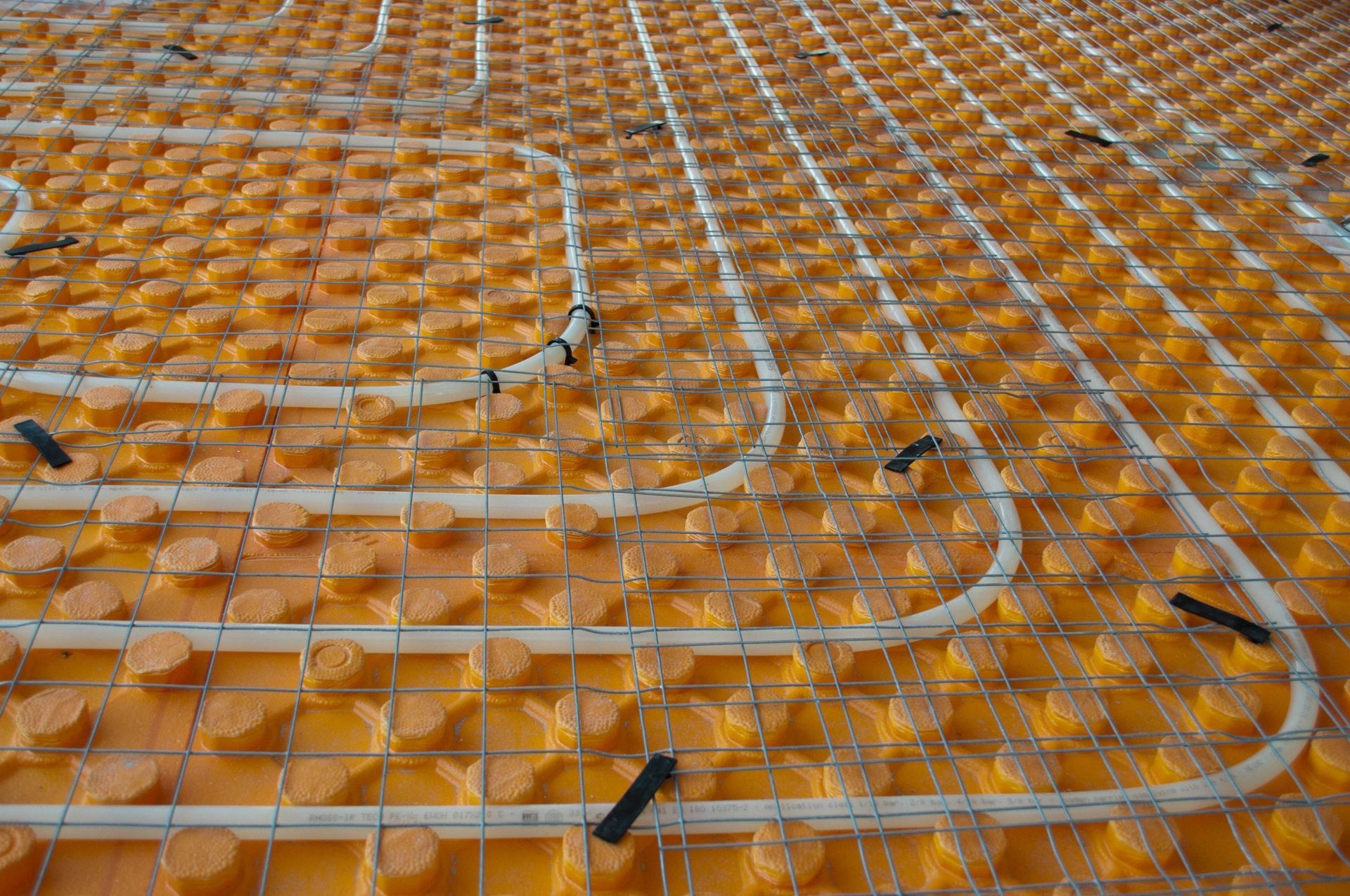
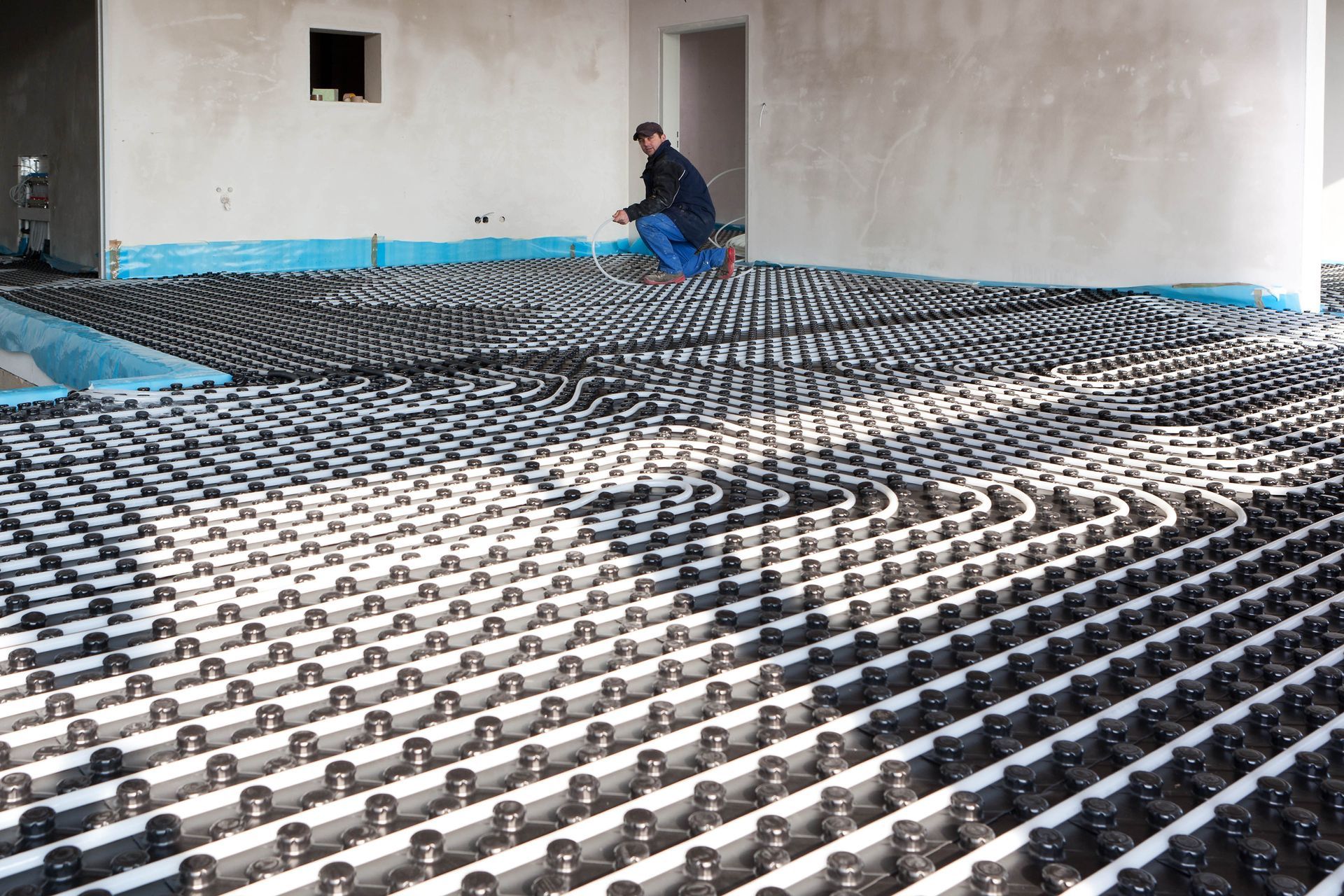
The indoor distribution network bridges the gap between underground thermal collection and your personal home comfort. Most modern installations use ductwork to circulate warm or cool air evenly across every room in the dwelling. Alternative hydronic setups pump conditioned liquid through radiant floor tubing, providing a gentle warmth that minimizes dust movement and airborne allergens. Selecting the right setup and keeping its distribution channels clean ensures superior indoor air quality and consistent temperature management across all seasons.
Explore Different Underground Loop Configurations
Homeowners can select from two primary design categories: closed-loop and open-loop configurations. Closed-loop setups are the most popular and are installed in horizontal, vertical, or lake-bottom patterns depending on land availability. Horizontal loops work best for larger properties with ample space for shallow trench excavation. Vertical loops suit smaller suburban lots because installers drill deep boreholes to minimize the surface footprint. Each design offers distinct mechanical benefits depending on the specific geological characteristics of your property.
Open-loop options utilize clean groundwater directly as the primary fluid for heat transfer. Water gets drawn from a well, flows through the heat exchanger, and then discharges back into a dedicated return well or surface body. While highly efficient, these configurations require a continuous, clean water supply and must comply with local environmental regulations. Scheduling an ongoing geothermal heating and cooling service keeps these open networks free from mineral scale and sediment accumulation that could otherwise clog the internal heat exchanger.
Selecting the optimal setup requires a careful evaluation of physical site conditions, soil composition, and local water availability. Our technicians evaluate land topography and thermal absorption rates to design a setup tailored to your property. Choosing the right configuration prevents mechanical strain, maximizes daily energy transfer, and extends the operational lifespan of the underground infrastructure. Proper installation sets the foundation for decades of quiet, highly efficient heating and cooling performance.
Navigate the Professional Equipment Installation Process
Installing a geothermal climate system requires comprehensive site planning and specialized mechanical expertise. The process begins with an extensive property assessment to calculate heating and cooling loads while evaluating soil conditions. Engineers then design an optimized loop layout tailored to your home's specific size, layout, and insulation levels. Once excavation or drilling finishes, technicians connect the underground piping to the indoor heat pump and integrate the entire system with your home ductwork.
The underground installation phase involves heavy machinery, specialized trenching, and strict adherence to local building codes. Horizontal installations require deep trenches, while vertical setups utilize specialized drilling rigs to sink pipes hundreds of feet deep. Precision is mandatory during pipe fusion to prevent subterranean leaks and ensure maximum thermal transfer efficiency. Qualified technicians perform rigorous pressure testing on the loop field before backfilling to guarantee complete structural integrity.
Proper financial and logistical planning ensures a seamless transition to underground thermal energy. While upfront installation costs are higher than standard HVAC replacements, long-term energy savings quickly offset the initial investment. Homeowners benefit from federal tax incentives, local utility rebates, and reduced monthly operating expenses that enhance total property value. Partnering with certified installers guarantees that every component meets rigorous safety standards for optimal long-term mechanical performance.
Calculate Initial Costs and Long-Term Value
The upfront cost of installing underground thermal loops can be higher than buying standard heating and cooling equipment. These initial expenses cover site excavation, ground loop drilling, equipment integration, and ductwork modifications. However, geothermal equipment quickly compensates for its initial price tag through low monthly operational costs and minimal repair needs. Over time, energy bills drop significantly, allowing homeowners to recover their installation investment through steady utility savings.
The long-term economic savings make alternative thermal energy a financially sound choice for modern households. Conventional furnaces and air conditioners often fail after 10 to 15 years, requiring repeated equipment purchases over time. In contrast, indoor heat pumps last over 25 years, while underground loop fields carry lifespan expectations exceeding 50 years. Scheduling a periodic geothermal heating and cooling service protects this long-term investment by preventing minor wear from turning into major mechanical failures.
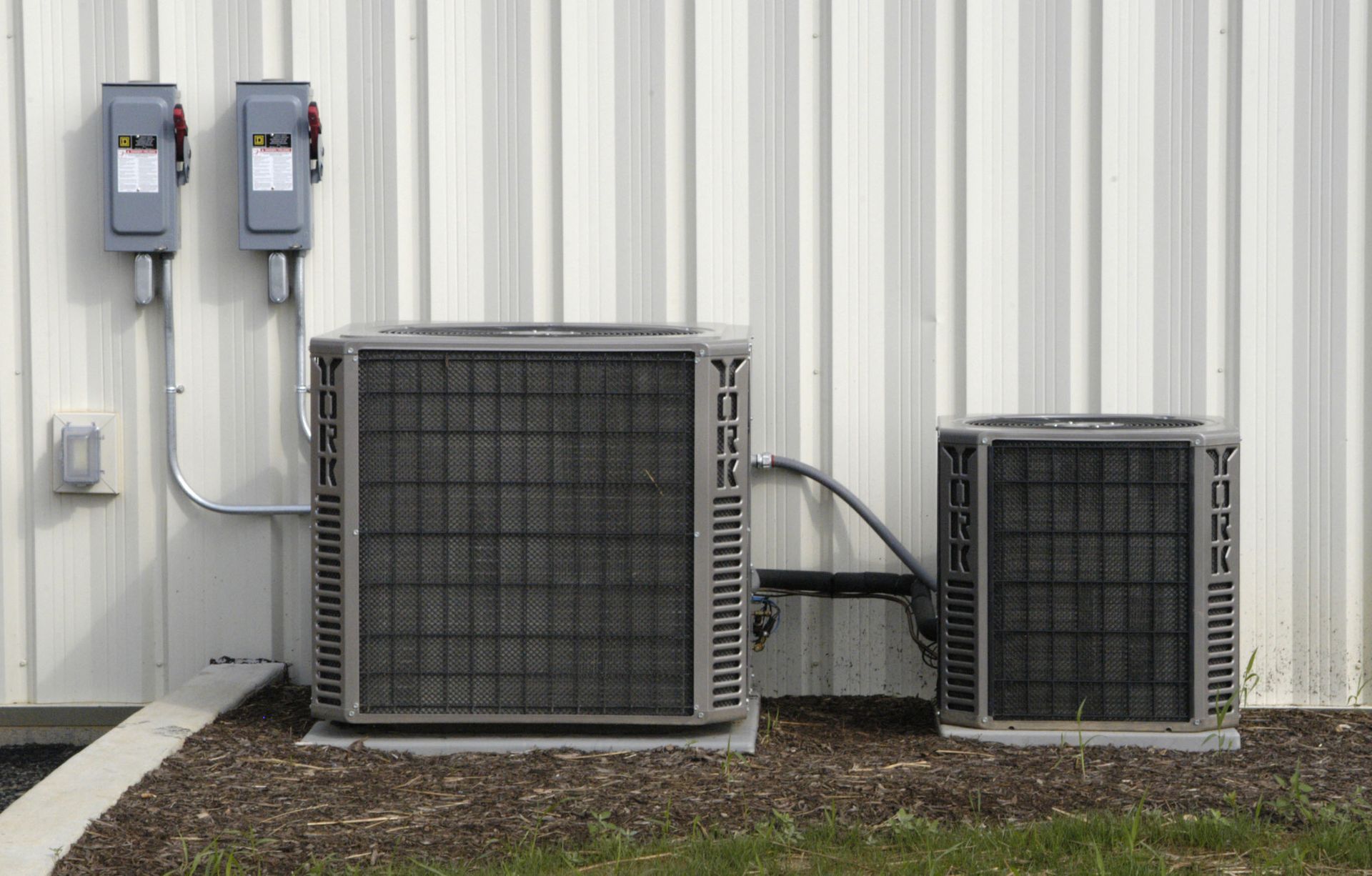
Beyond direct energy savings, sustainable home upgrades significantly boost overall property resale value. Modern home buyers actively seek properties featuring green technology, low utility overhead, and reliable climate control setups. Underground thermal loops operate silently indoors without noisy outdoor condensers disrupting backyard peace. Investing in high-efficiency thermal technology protects your household budget from fluctuating fossil fuel prices while delivering unmatched indoor comfort.
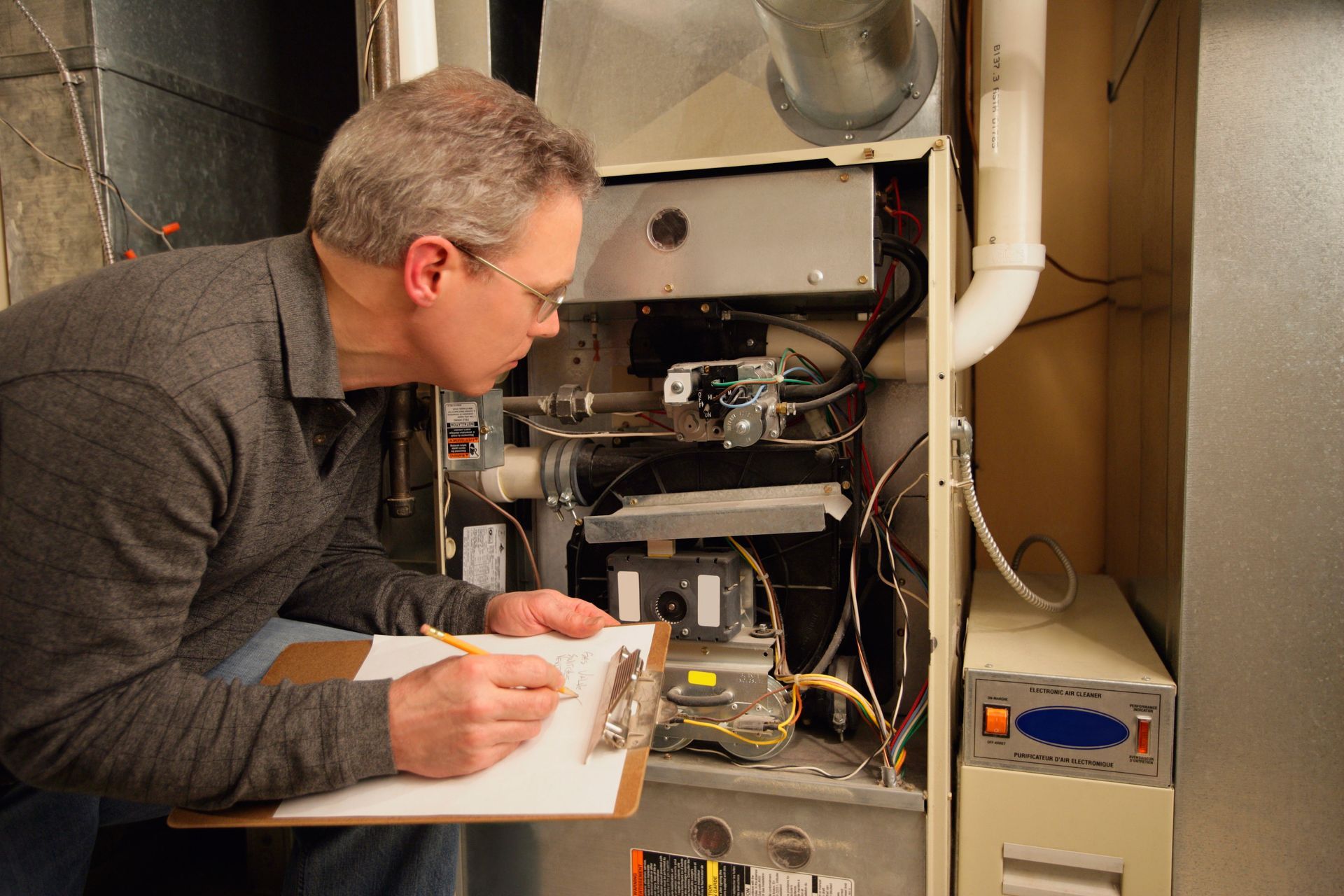
While basic filter care can be handled by homeowners, scheduling a professional geothermal heating and cooling service once a year is critical. Certified technicians use specialized equipment to test antifreeze concentrations, check electrical sub-panels, flush heat exchangers, and verify loop flow rates. Expert maintenance identifies minor wear before it causes system downtime, protecting your equipment warranty and ensuring peak performance. Contact the team at Golden Days Heating & Cooling today to schedule your comprehensive system inspection and keep your home comfortable year-round.
Share On: