


Why Geothermal Cooling Matters for Sustainable and Cost-Effective Summer Comfort
As summer temperatures climb across the Midwest, homeowners face a recurring challenge: keeping living spaces comfortable without watching monthly utility expenses soar. Traditional air conditioners work tirelessly during July and August to reject indoor heat into an atmosphere that is already sweltering. This forces external compressors to consume massive amounts of electrical power, placing immense strain on regional electrical grids during peak afternoon hours.
When outdoor temperatures hover in the nineties, conventional equipment must operate continuously just to maintain basic comfort. In response to escalating energy costs, property owners are increasingly seeking climate control alternatives that offer both reliability and sustainability. Among modern residential advancements, geothermal cooling stands out as a premier approach to indoor temperature management. By utilizing the stable thermal environment located beneath the earth's surface, these subsurface systems provide exceptional operational efficiency during the hottest months of the year. Exploring this subterranean technology reveals why it has become an ideal solution for achieving sustainable summer comfort.
Understanding the Mechanics of Underground Thermal Transfer
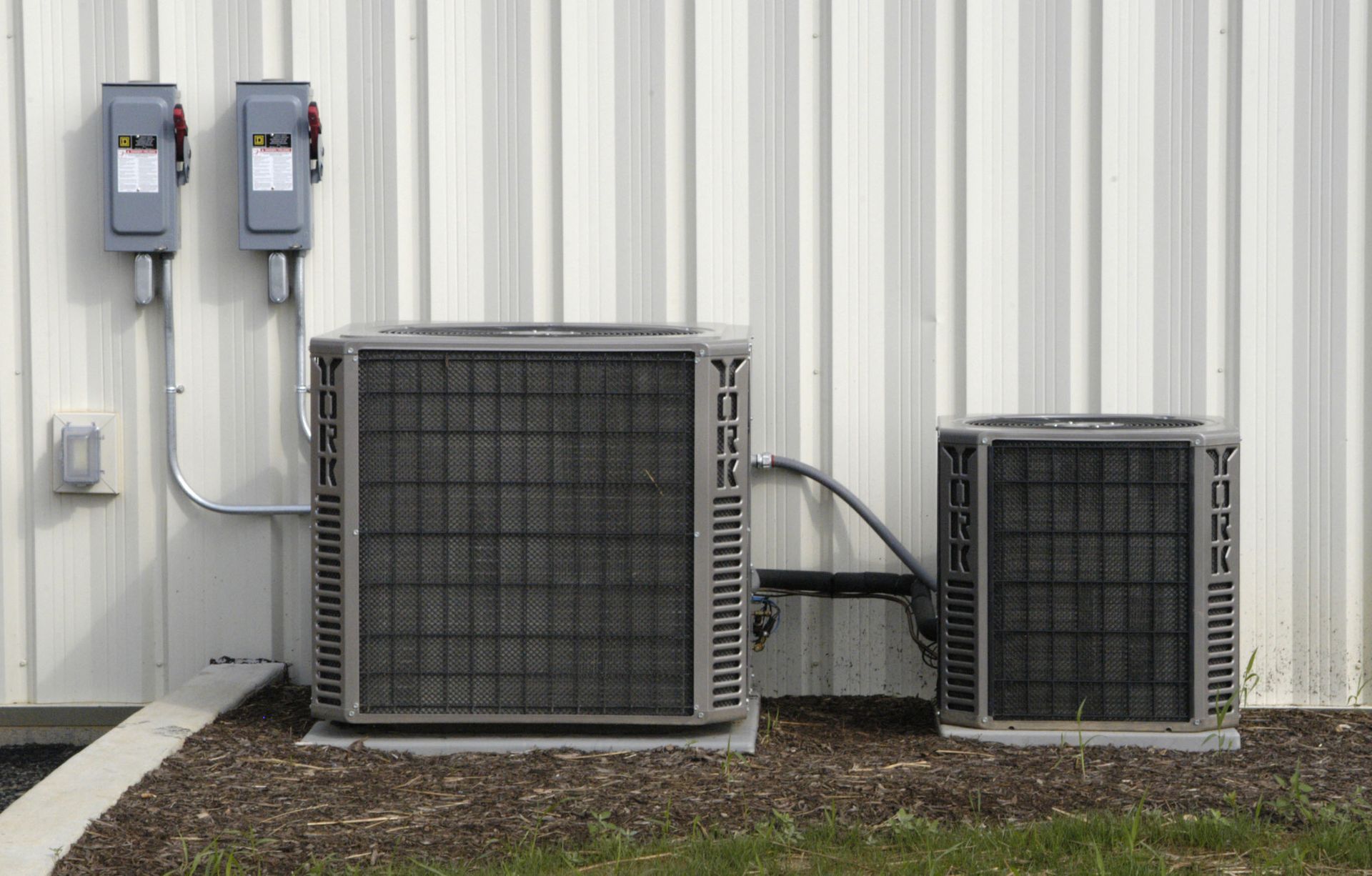
To appreciate the performance advantages of subsurface climate systems, it helps to examine how traditional central air conditioning operates compared to earth-coupled technology. Conventional heating and cooling setups rely on outdoor condensing units that must expel warm indoor air into an environment where temperatures frequently exceed 90 degrees Fahrenheit. Pushing indoor heat into a hot outside atmosphere requires immense mechanical effort and demands heavy electricity consumption by outdoor fans and compressors. This constant struggle against ambient heat accelerates equipment wear and degrades system efficiency. As outdoor temperatures climb, traditional units become less capable of rejecting heat when cooling is needed most. In contrast, a residential setup utilizing geothermal cooling bypasses fluctuating outdoor air entirely by taking advantage of the earth's constant subterranean temperature. Just four to six feet below the ground surface, soil temperatures remain stable year-round, hovering between 50 and 55 degrees Fahrenheit. During summer, an underground loop circulates a fluid that absorbs heat from inside the home. This thermal energy is deposited directly into the cool earth, allowing the indoor refrigeration cycle to operate with minimal electrical resistance and reduced compressor strain.
Harnessing Stable Earth Temperatures for Summer Efficiency
The primary reason subterranean heat pumps achieve such outstanding summer performance lies in the basic physics of thermal exchange. Because the underground loop discharges household heat into a cool soil medium rather than hot summer air, the compressor works far less to condense circulating refrigerant. This thermodynamic advantage translates directly into superior operational efficiency ratings that outpace standard air conditioning equipment, maintaining steady capacity even during intense heatwaves. When evaluating climate control equipment, efficiency is measured by the Energy Efficiency Ratio, which quantifies cooling output relative to electrical input. While standard outdoor units typically achieve ratings between 13 and 16, geothermal cooling systems routinely reach ratings exceeding 20 to 30. This jump in efficiency means that for every unit of electricity consumed by circulation pumps and blower fans, multiple units of heat are cleanly removed from the home, providing consistent dehumidification without a steep electrical power drain.
Reducing Monthly Utility Bills Through Advanced Technology
For property owners, the most compelling incentive for upgrading to ground-source technology is the substantial financial return realized on monthly utility statements. Because the earth provides a readily available heat sink during summer, the electrical power required to operate subterranean heat pumps is drastically lower than that of conventional air conditioning units. Homeowners transitioning from standard electric cooling setups frequently see their summer cooling expenditures drop by 40 to 60 percent immediately following installation. Beyond immediate utility savings, the economic outlook of geothermal cooling is reinforced by numerous financial incentives. Federal energy tax credits, state efficiency rebates, and local utility discount programs frequently offset a significant portion of the upfront investment required for underground loop excavation and equipment setup. Furthermore, ground-source heat pumps operate with such high efficiency that they insulate households from volatile seasonal electricity rate hikes, allowing the system to pay for itself while adding resale value to the property.
Addressing Ductwork Integrity and Air Distribution Losses
While advanced subterranean heat pumps deliver exceptional refrigeration efficiency, overall home comfort relies heavily on how effectively cooled air travels through the structure. Even the most sophisticated underground heat exchange equipment struggles to maintain uniform temperatures if the ventilation network is compromised by structural gaps or inadequate insulation. In many residences, chilled air escapes into attics or unsealed basements long before reaching living rooms, forcing equipment to run longer cycles. According to Energy Star, about 20 to 30 percent of the air that moves through the duct system is lost due to leaks, holes, and poorly connected ducts. When pairing geothermal cooling with existing or newly installed ventilation networks, professional inspection and sealing are essential. Addressing duct leakage ensures that every thermal unit removed by the ground loop translates into tangible comfort, preventing energy waste and eliminating warm spots.
Comparing Equipment Longevity and Lifecycle Maintenance
When investing in residential mechanical systems, durability and maintenance requirements are critical factors in evaluating total cost of ownership. Conventional heating and cooling setups feature outdoor condensing units exposed to harsh weather year-round. Enduring pounding rain, freezing temperatures, and accumulating yard debris gradually wears down compressor coils and electrical components. Consequently, traditional outdoor air conditioning units typically require replacement every 12 to 15 years due to environmental exposure. By contrast, the mechanical architecture of geothermal cooling provides superior longevity and weather protection. Because the primary heat pump unit is housed safely inside a basement or mechanical room, it remains shielded from outdoor weather extremes and physical damage. Indoor units often last 20 to 25 years with routine heating and cooling maintenance, while the underground polyethylene pipe loop is rated to endure for more than 50 years. This exceptional lifespan minimizes replacement frequency and provides property owners with decades of dependable climate control.
Integrating Seamless Climate Control Into New Construction
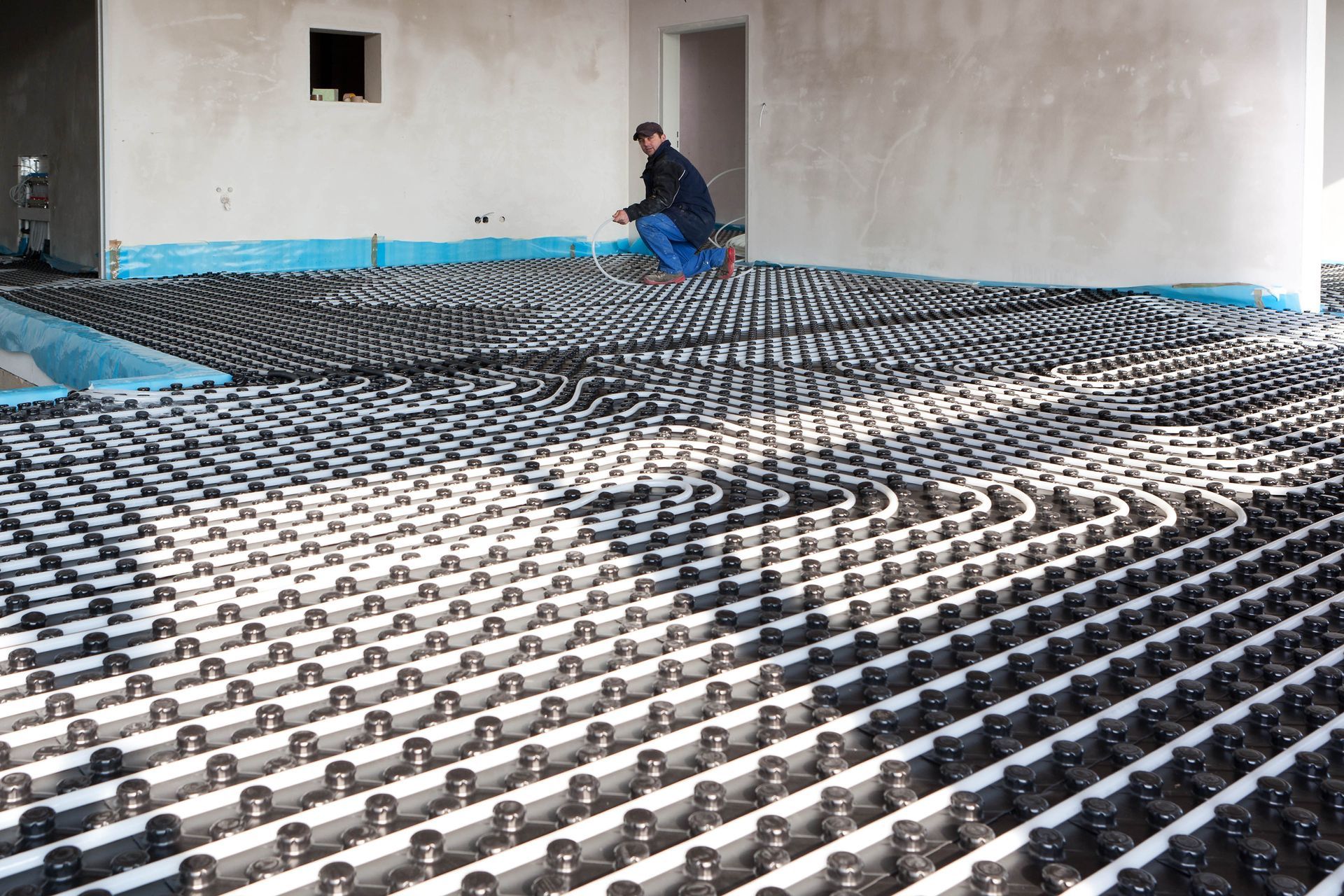
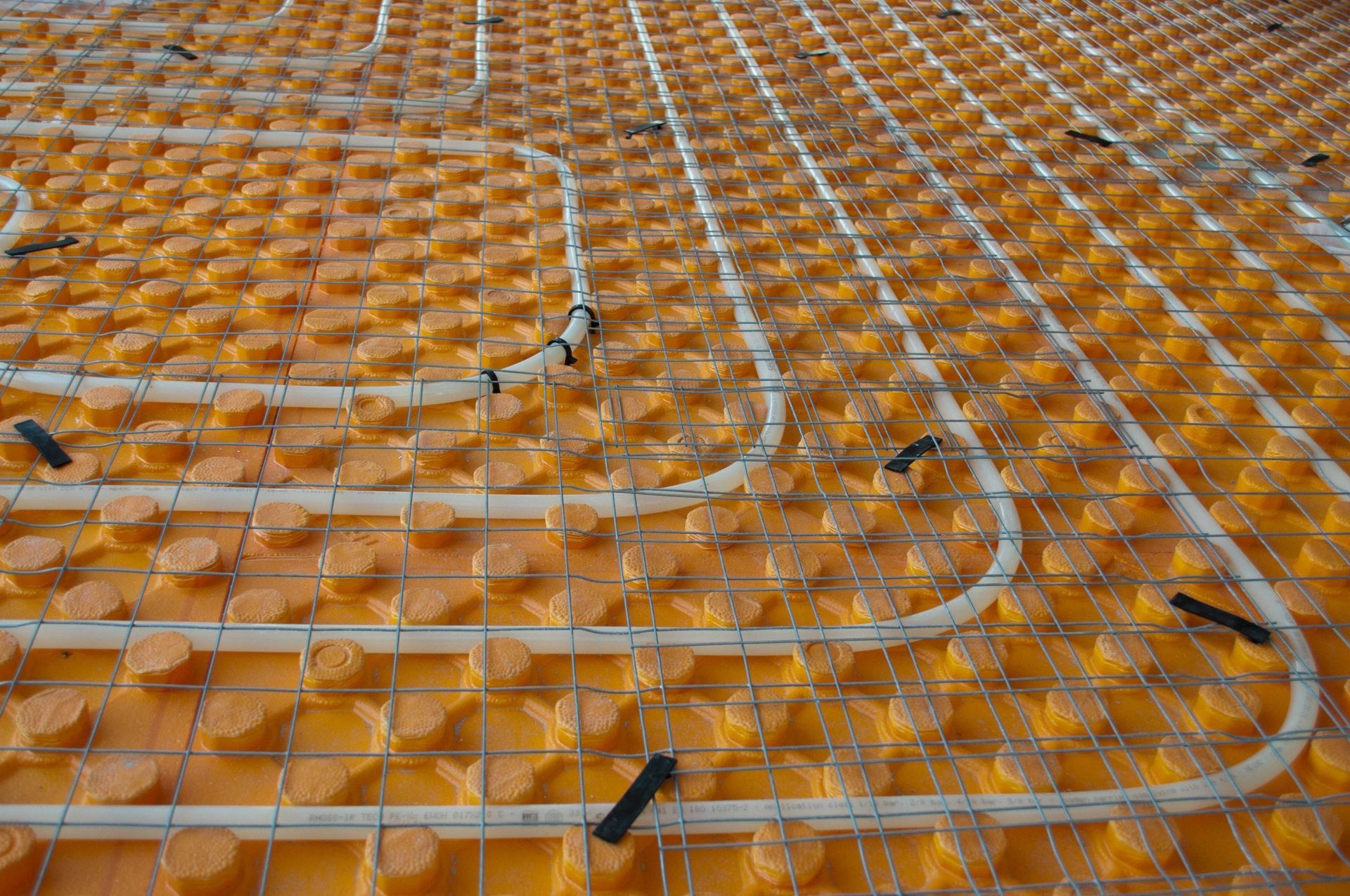
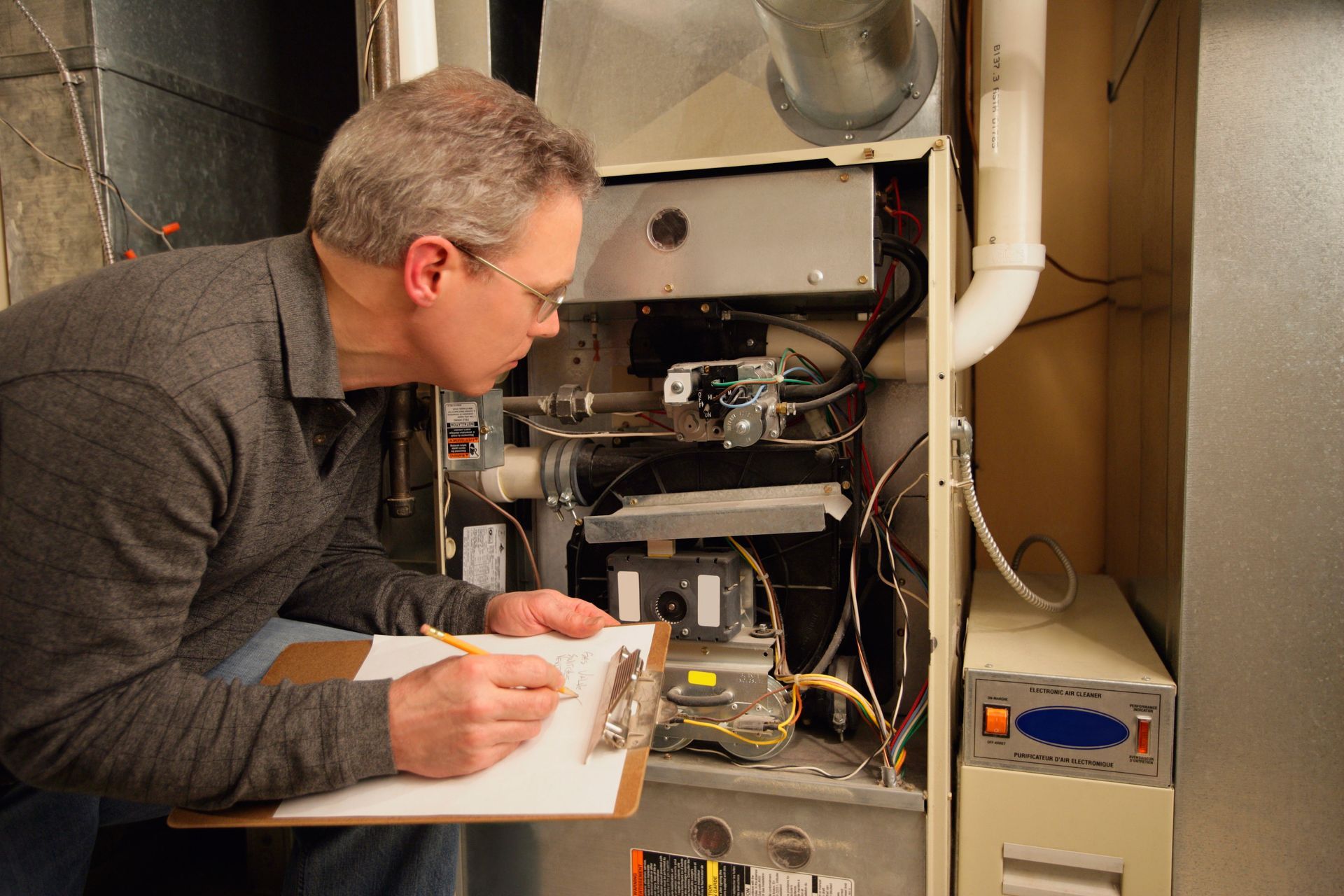
Designing a custom residence offers an ideal opportunity to incorporate ground-source climate solutions from the very beginning of the building process. In new construction HVAC projects, property owners and builders can coordinate loop excavation and mechanical room layout before landscaping occurs. This proactive planning simplifies the installation of underground loops, integrating geothermal heating and cooling infrastructure seamlessly into the architectural blueprint without disrupting finished yards or paved driveways. Prioritizing subterranean systems during initial construction also allows engineers to precisely size ductwork and zoning controls to match the home's thermal footprint. Whether installing an earth-coupled heat pump or exploring conventional heating and cooling alternatives like furnaces and heat pumps, proper sizing secures optimal airflow and humidity balance. Choosing geothermal cooling during initial building design guarantees whisper-quiet operation, superior indoor air quality, and decades of sustainable comfort without compromising exterior aesthetic appeal.
As summer heat waves intensify across the region, maintaining a comfortable home requires forward-thinking mechanical solutions. Subterranean heat exchange offers an elegant method for conquering summer humidity without placing unnecessary stress on your household budget or the local power grid. By leveraging the earth's undisturbed thermal capacity, homeowners achieve whisper-quiet operation, exceptional energy efficiency, and unmatched equipment longevity that outlasts conventional outdoor units. Transitioning to geothermal cooling represents a decisive step toward environmental sustainability and long-term economic savings. Whether upgrading an aging layout or specifying systems for a custom residence, professional installation ensures every subterranean loop is calibrated for peak performance. When you are ready to enhance your home with dependable, energy-efficient comfort, contact Golden Days Heating & Cooling today to schedule your estimate and experience superior craftsmanship.
Share On: