


Why Investing in Geothermal HVAC Systems Matters for Long-Term Energy Savings
The growing need for sustainable, climate-resilient utility frameworks has made geothermal HVAC system architecture an essential consideration for property owners worldwide. As modern cooling and heating demands continue to surge, societies are tasked with adopting energy-efficient alternatives that reduce localized environmental degradation. Geothermal configurations stand out in this paradigm, offering a highly reliable method for balancing internal building climates without burning excessive fossil fuels.
This comprehensive article delves into why investing in a geothermal HVAC system represents a wise choice for those looking to achieve profound, long-term energy savings. By exploring the precise subterranean mechanics, macroeconomic financial benefits, and structural installation parameters, we provide an instructive overview of this technology's significant role in shaping a sustainable energy future.
The Basics of Geothermal HVAC Systems
Geothermal energy effectively harnesses the Earth’s natural, ambient thermal properties stored directly beneath the frost line to provide an incredibly stable heating and cooling medium. Unlike traditional air-source equipment that relies on fluctuating, volatile atmospheric temperatures, a geothermal HVAC system relies on the constant thermal mass of the earth, which remains between 45°F and 75°F year-round depending on your geographic latitudinal zone.
During the frigid winter months, the system utilizes a specialized underground pipe network—known as a ground loop—to extract trapped subterranean warmth, channeling it directly into an indoor heat pump mechanism that concentrates and distributes the heat throughout the structure. Conversely, during intense summer heatwaves, the entire process is seamlessly reversed; the system draws heat away from your indoor living spaces and deposits it harmlessly back into the cool ground, establishing a highly sustainable thermal equilibrium.
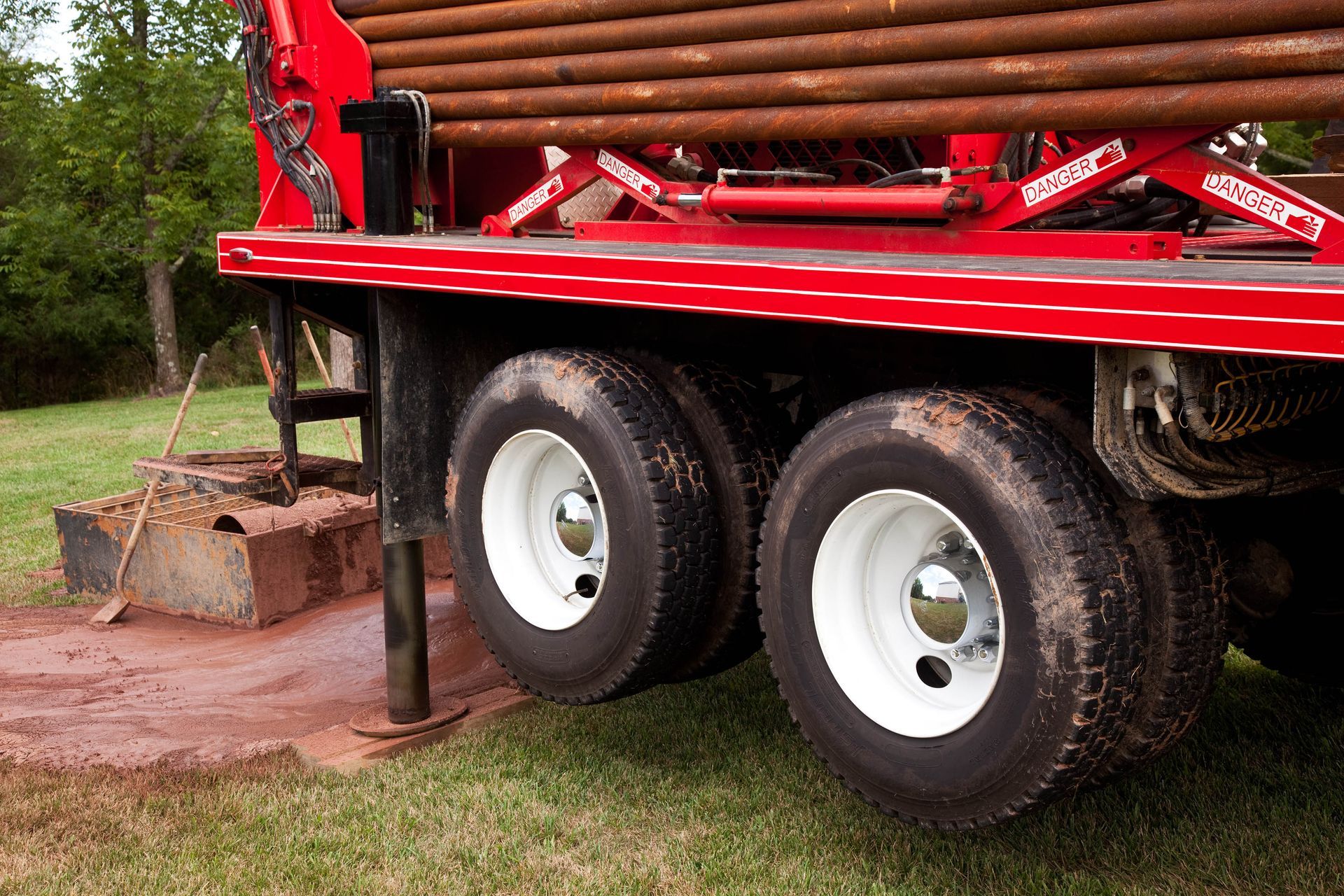
To execute this constant heat exchange process, contractors deploy distinct loop architectures depending on your specific property size, localized soil density, and regional environmental permitting mandates. Closed-loop configurations are the most common, circulating an eco-friendly heat-conducting fluid through a continuous circuit of sealed high-density polyethylene pipes buried either horizontally in shallow, expansive trenches or vertically in deep, narrow boreholes. Horizontal installations require substantial yard space to lay out the necessary piping trenches, whereas vertical loops are ideal for properties with limited surface area, using drill rigs to go hundreds of feet downward.
If your property features an abundant supply of clean water, an open-loop system can be deployed to draw groundwater directly into the heat exchanger, discharging it back into a secondary drainage well. Regardless of the explicit loop design chosen, this direct integration with the earth allows the mechanism to operate with minimal mechanical stress, bypassing the efficiency drops common to standard exterior condenser units.
Initial Installation and Lifespan Realities
The initial capital required to install a professional geothermal HVAC system is noticeably higher than the upfront cost of a traditional furnace and air conditioning unit. This price premium stems almost entirely from the specialized excavation labor, advanced geological test drilling, and structural pipe-fusing procedures required to establish the underground thermal infrastructure.
According to This Old House, HVAC units have a lifespan of 15-20 years with proper care. However, a premium indoor geothermal water-to-air heat pump routinely lasts 20 to 25 years, while the buried loop pipes are structurally warrantied to last upwards of 50 years. This extreme mechanical longevity means that while a standard atmospheric air conditioner will need to be entirely replaced up to three times, the core infrastructure of your geothermal system remains fully operational for generations, significantly shifting the long-term economic calculation in your favor.
Energy Efficiency and Environmental Benefits
One of the most profound benefits of operating a certified geothermal HVAC system is its immediate, measurable reduction in household carbon emissions and daily grid power consumption. Because these advanced systems move existing heat rather than generating it through chemical combustion, they operate at an astonishing 300% to 500% efficiency rate, which means that for every single unit of electricity consumed by the compressor, the system delivers three to five units of pure thermal energy.
This hyper-efficient operational methodology allows a properly configured geothermal HVAC system to use 25% to 50% less electricity than standard high-efficiency conventional heat pumps. On a macro scale, the widespread adoption of subterranean heat transfer dramatically reduces localized carbon dioxide output while substantially easing seasonal strain on regional electrical power grids during peak mid-afternoon cooling spikes.
Long-Term Cost Savings
The extraordinary physical efficiency of the earth-coupled thermal loop translates directly into substantial, compounding monthly financial savings for property owners. By completely eliminating the need for expensive fossil fuels, such as heating oil, propane, or natural gas, a geothermal HVAC system can drop your property's ongoing monthly heating and cooling expenditures by 30% to 70%.
Furthermore, because the critical heat-exchange loop is safely protected deep underground and the primary heat pump mechanism is located entirely inside the home, the entire system remains shielded from extreme weather conditions, falling debris, UV degradation, and vandalism. This protective indoor placement eliminates the need for frequent, costly exterior maintenance visits, lowering annual system upkeep costs and allowing the upfront installation premium to be completely recouped through energy savings within a predictable window of 5 to 10 years.
Key Considerations and Smart Integrations
Before moving forward with an installation, a meticulous geological evaluation must be completed by a certified technician to analyze your property's exact soil composition, thermal conductivity, and structural space availability. Properties characterized by expansive lawns can easily accommodate affordable horizontal loop trenching, whereas tight, dense urban lots require deep vertical boring rigs to minimize surface land disruption.
Once installed, a modern geothermal HVAC system can be seamlessly paired with intelligent smart-home automation frameworks and modern zoning thermostats. These interconnected control networks utilize adaptive software algorithms to monitor subsurface thermal trends and regulate indoor zones with absolute precision, maximizing your long-term return on investment while delivering uncompromised indoor comfort.
Real-World Value and Financial Incentives
Beyond the monthly reduction in utility costs, the economic case for transitioning to this advanced technology is strongly reinforced by widespread financial incentives. Many federal, state, and municipal programs offer substantial tax credits and localized utility rebates specifically targeted at reducing the barrier of upfront capital expenses for renewable energy systems. These modern green energy incentives can immediately slice a massive percentage off the total installation invoice, making the timeline to full financial payback remarkably swift.
Additionally, because a geothermal setup raises the energy rating of a building, it functions as a permanent, value-adding home improvement. Properties outfitted with independent, eco-friendly heating and cooling frameworks command higher attention and premium valuation metrics within the competitive real estate market, ensuring your investment pays dividends both during your occupancy and upon eventual property resale.
Investing in a residential or commercial geothermal HVAC system represents one of the most proactive, impactful, and financially sound structural upgrades a property owner can make. By tapping into the infinite, completely renewable thermal energy reservoir resting directly beneath our feet, this innovative technology provides unmatched climate consistency, drastic reductions in monthly utility bills, and true independent resilience against volatile fossil fuel markets.
While the upfront capital requirements remain significant, the long-term operational savings, minimal maintenance requirements, and multi-decade equipment lifespans prove that geothermal engineering is a highly prudent investment in environmental sustainability and personal financial security. When you are ready to transition your property into an eco-friendly oasis of high-efficiency climate control, partner with the certified HVAC specialists at Golden Days Heating & Cooling to design and install your custom system today. Certified professionals will handle every aspect of your transition, from the initial underground thermal mapping and permitting procedures to the final smart thermostat calibration, ensuring your green utility transformation is executed to the absolute highest industry standards of luxury and durability.
Share On: